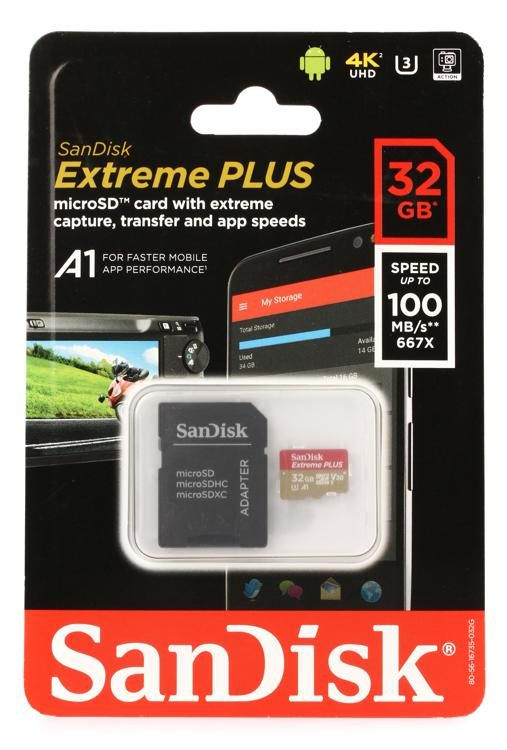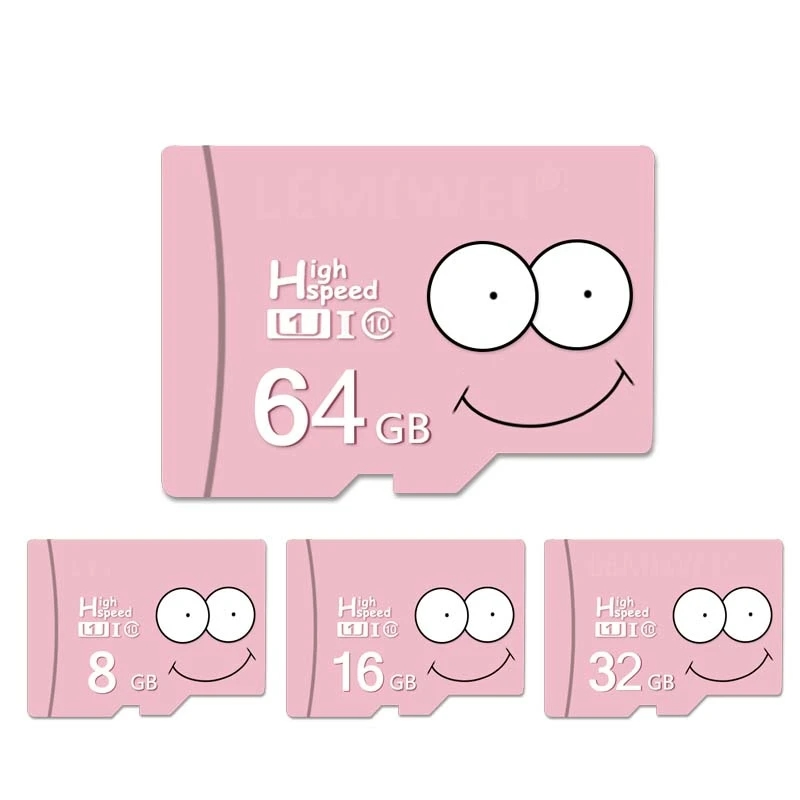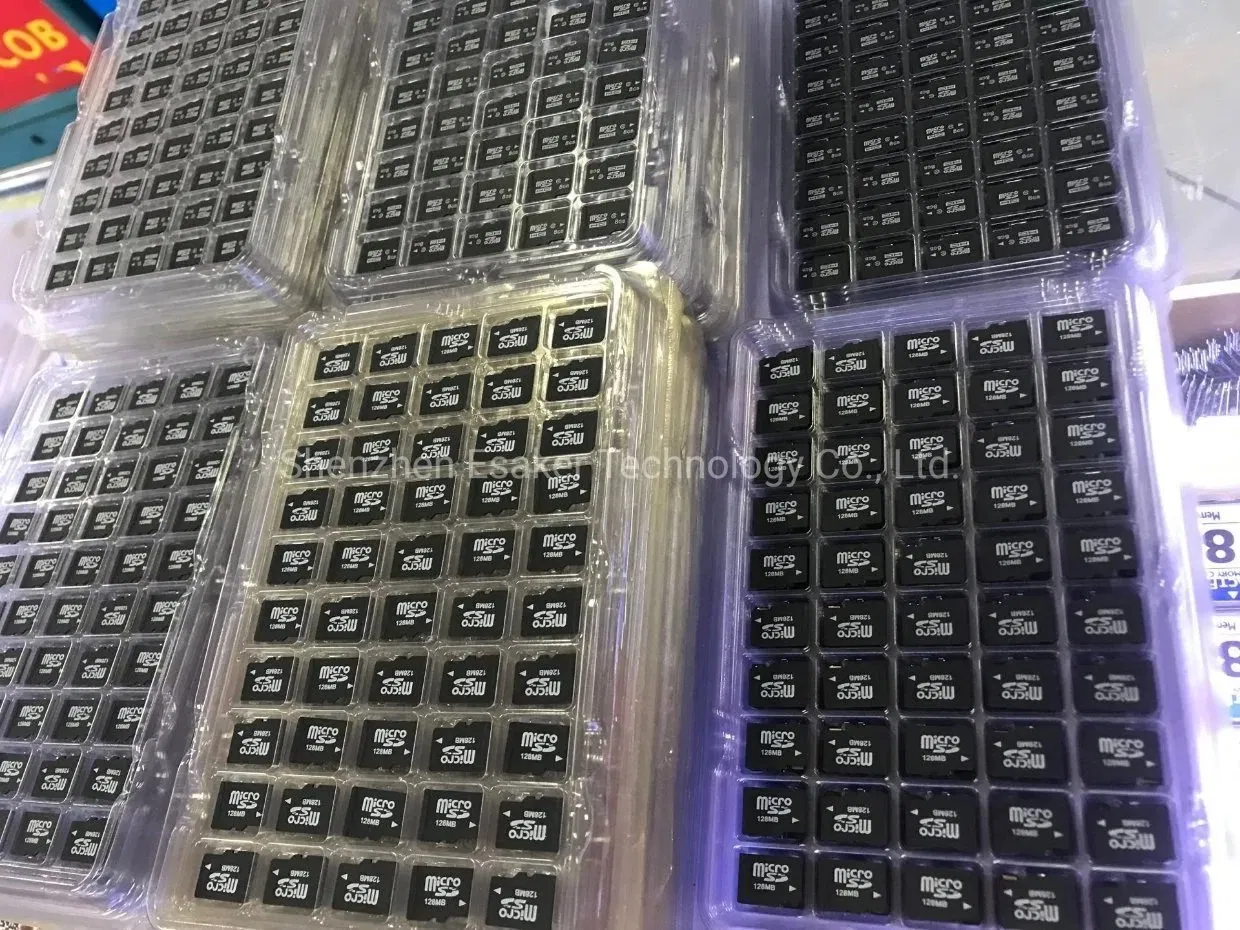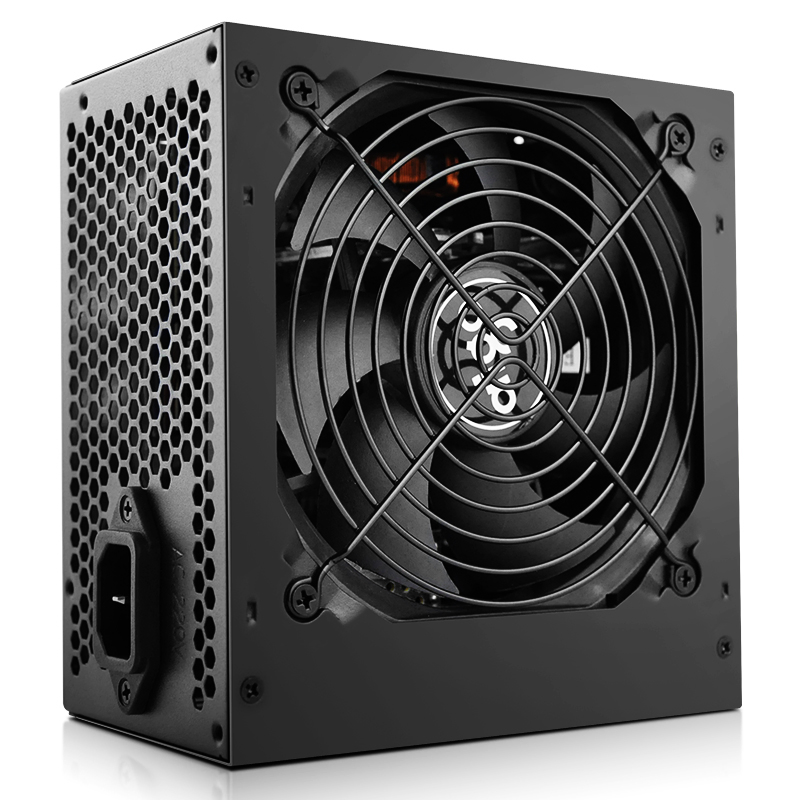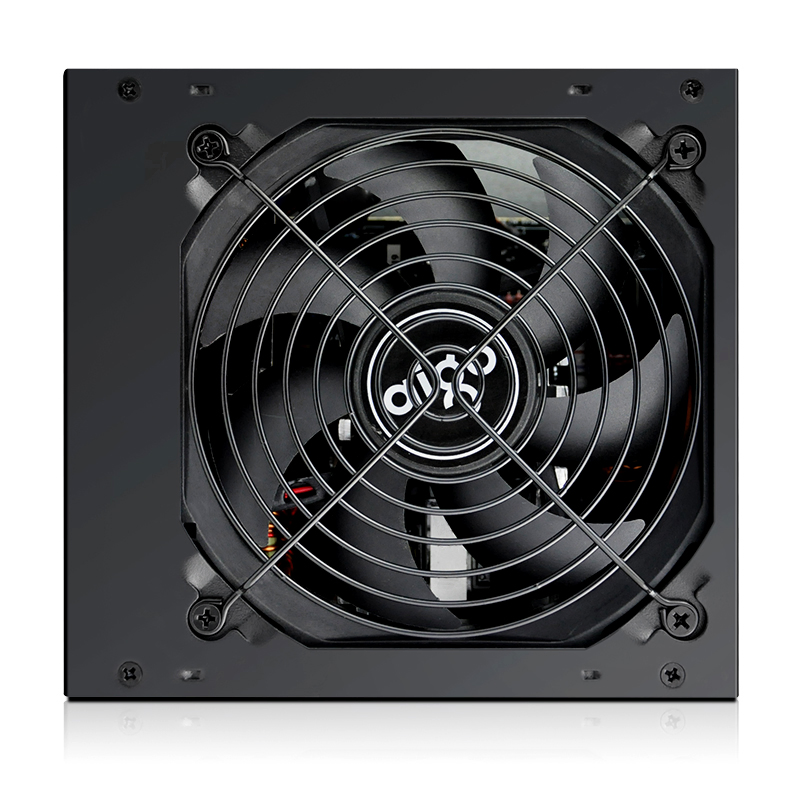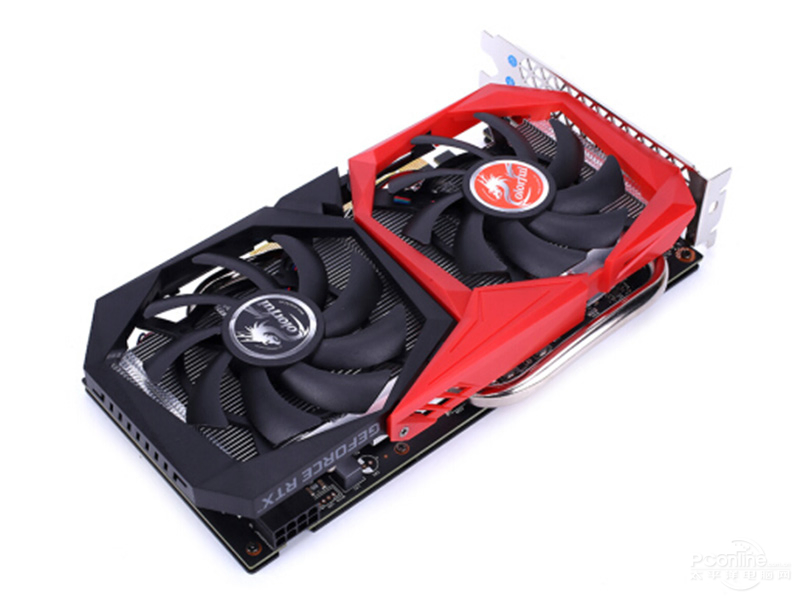
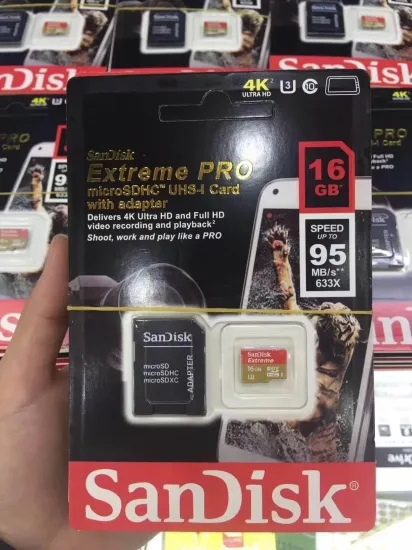
Ningbo Computer Components Manufacturing Co., Ltd. is a leading Chinese company that specializes in the manufacturing of high-quality computer components and peripherals. We have been in business for several years and have earned a reputation for delivering innovative products and top-notch customer service.
In modern LED lighting systems, power quality and stability are no longer optional—they are decisive factors for performance, efficiency, and compliance. The High PF 24V 320W Constant Voltage LED Driver is designed to deliver stable output, reduce energy loss, and meet increasingly strict electrical standards. For manufacturers, contractors, and project owners, choosing the right LED driver directly impacts system lifespan, lighting quality, and operating costs. At Shenzhen Fushuo Photoelectric Technology Co., Ltd., we focus on developing reliable, high-performance LED drivers that balance professional engineering with real-world application needs.
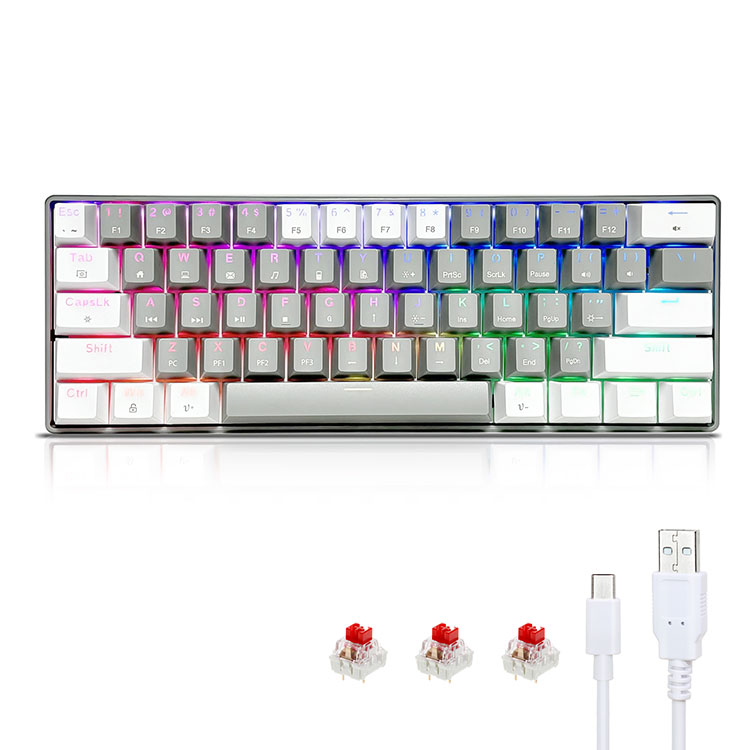
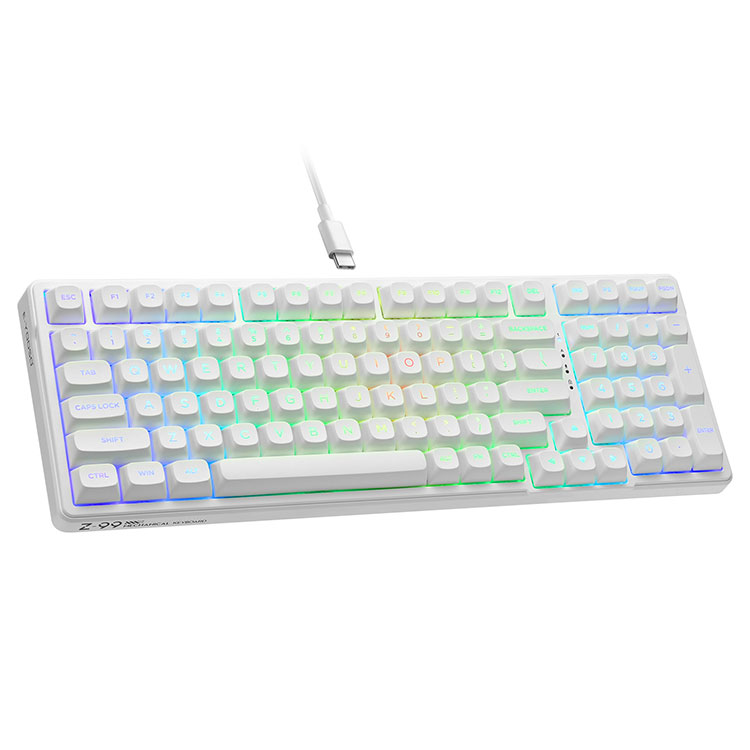
Mechanical keyboards have evolved significantly over the years, and one of the latest innovations shaking the market is Magnetic Switches Mechanical Keyboard technology. Combining precision, durability, and a smooth typing experience, these keyboards are becoming a favorite among gamers, programmers, and typing enthusiasts alike. Shenzhen Chuangquan Electronics Co., Ltd. has been at the forefront of this revolution, offering high-quality magnetic switch keyboards that redefine typing comfort and efficiency.
In the relentless pursuit of more compact and powerful electronic devices, from sleek industrial IoT controllers to cutting-edge medical equipment, one component often dictates the limits of miniaturization: the power supply. This is where the innovation of an Ultra Thin Switching Power Supply becomes a game-changer. By dramatically reducing the form factor without sacrificing performance, these power solutions unlock unprecedented design flexibility. At Starwell, we engineer our Ultra Thin Switching Power Supply units to be the cornerstone of space-constrained applications, ensuring reliability meets revolutionary density.
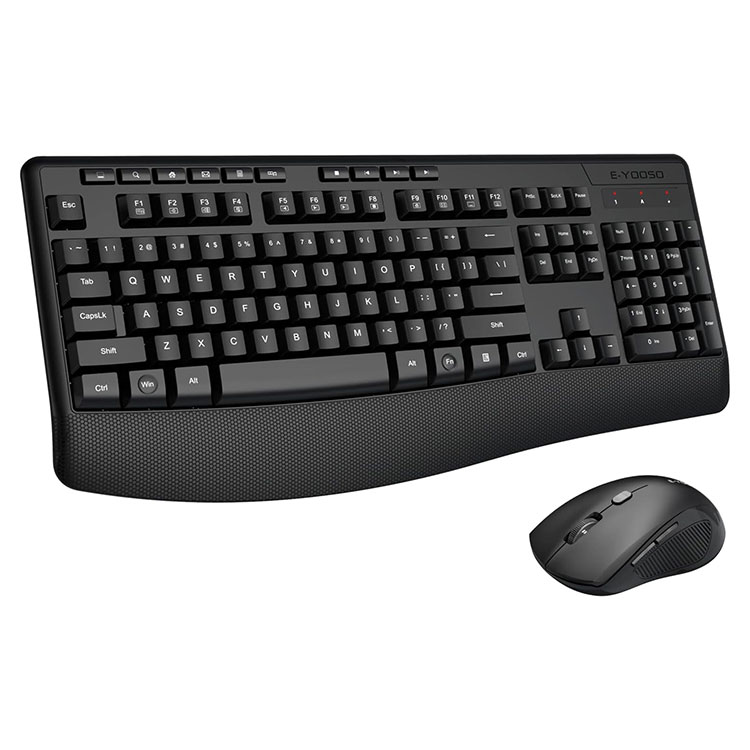
As workspaces become more flexible and digital lifestyles continue to evolve, the demand for high-performance peripherals is growing rapidly. Among them, the Wireless Mechanical Keyboard has emerged as a top choice for professionals, gamers, and tech enthusiasts who value efficiency, aesthetics, and freedom from cable clutter. Unlike traditional wired keyboards, wireless mechanical models combine tactile precision with mobility, making them ideal for both office productivity and immersive gaming setups.
When designing an electronic system, power conversion efficiency is paramount. It impacts heat generation, energy costs, and overall reliability. The fundamental choice often boils down to two main technologies: the Switching Power Supply and the Linear Power Supply. At Starwell, we specialize in advanced power solutions, and a key question we address is: why is a Switching Power Supply demonstrably more efficient than its linear counterpart? The answer lies in their core operational principles.
As a leader in embedded solutions, Thinkcore designs Dev Kit Carrier Boards that bridge this gap, offering the flexibility and robustness needed for professional development.
This is a common question with a critical answer: it depends entirely on your vehicle's battery system voltage. Using an incorrect charger can cause serious damage. Most standard golf carts and smaller electric vehicles operate on 36V or 48V systems, meaning a single 24V charger would be insufficient and ineffective. However, a 24V charger from a trusted brand like KOSUN plays several vital roles in the EV ecosystem.
LCD Touch Screens have become a foundational interface technology in consumer electronics, industrial automation, medical devices, automotive systems, and smart infrastructure. By combining liquid crystal display technology with precise touch sensing, these modules enable intuitive visual interaction while maintaining reliability, scalability, and cost efficiency. This article explores how LCD Touch Screens function, how their technical parameters influence performance, and how evolving application demands are redefining their role in future human–machine interfaces.