
How Are LCD Touch Screens Shaping Human–Machine Interaction Across Industries?
2025-12-19
Abstract
LCD Touch Screens have become a foundational interface technology in consumer electronics, industrial automation, medical devices, automotive systems, and smart infrastructure. By combining liquid crystal display technology with precise touch sensing, these modules enable intuitive visual interaction while maintaining reliability, scalability, and cost efficiency. This article explores how LCD Touch Screens function, how their technical parameters influence performance, and how evolving application demands are redefining their role in future human–machine interfaces.
Outline
- Product Overview and Core Value
- How Do LCD Touch Screens Work?
- Technical Parameters and Performance Factors
- Application Scenarios Across Industries
- Common LCD Touch Screen Questions and Answers
- How Is the LCD Touch Screen Market Evolving?
- Brand Perspective and Contact Information
Table of Contents
- 1. Product Overview
- 2. Working Principles
- 3. Technical Parameters
- 4. Application Fields
- 5. Common Questions
- 6. Market and Technology Trends
- 7. Brand and Contact
1. Product Overview and Core Value
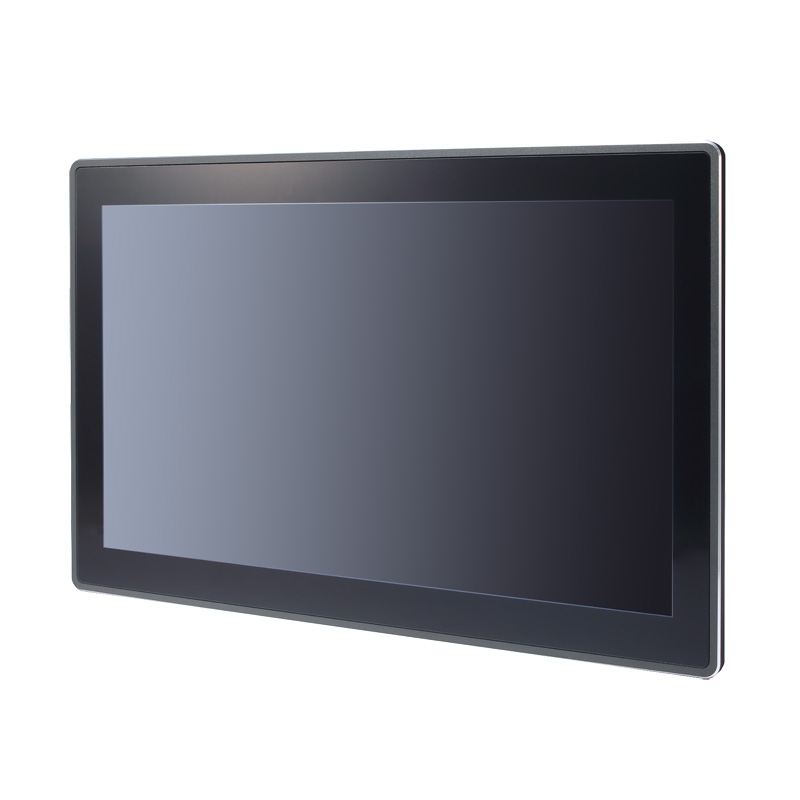
An LCD Touch Screen is an integrated display module that combines an LCD panel with a touch-sensitive layer, enabling users to interact directly with on-screen content. The central value of this technology lies in its ability to deliver visual clarity and responsive touch input within a compact and energy-efficient form factor.
This article focuses on how LCD Touch Screens address modern interface requirements, emphasizing adaptability across environments, long operational lifecycles, and compatibility with diverse system architectures. The core objective is to analyze how technical design choices directly impact usability, durability, and long-term deployment value.
2. How Do LCD Touch Screens Work?
LCD Touch Screens operate by layering a touch sensor over an LCD display panel. The LCD itself controls image formation through liquid crystal alignment and backlight modulation, while the touch layer detects user input through electrical or pressure-based changes.
2.1 Display Layer Functionality
The LCD panel consists of a backlight unit, polarizers, liquid crystal material, and color filters. Electrical signals adjust the orientation of liquid crystals, regulating light transmission and forming images with controlled brightness and color accuracy.
2.2 Touch Detection Mechanisms
The touch layer interprets user input using either capacitive or resistive sensing methods. These inputs are converted into coordinate data, which the controller processes and transmits to the host system.
3. Technical Parameters and Performance Factors
Selecting an LCD Touch Screen requires careful evaluation of its technical parameters, as each specification directly affects performance, reliability, and suitability for specific environments.
| Parameter | Description | Impact on Performance |
|---|---|---|
| Screen Size | Diagonal measurement in inches | Determines viewing area and interface layout flexibility |
| Resolution | Pixel density (e.g., 800×480, 1920×1080) | Affects image sharpness and text clarity |
| Touch Technology | Capacitive or resistive | Defines sensitivity, multi-touch capability, and durability |
| Brightness | Measured in cd/m² | Ensures readability in various lighting conditions |
| Interface | LVDS, RGB, HDMI, MIPI | Determines system compatibility and signal stability |
| Operating Temperature | Typical range from -20°C to +70°C | Critical for industrial and outdoor deployments |
4. Application Scenarios Across Industries
LCD Touch Screens are widely deployed due to their adaptability and stable performance across multiple sectors.
4.1 Industrial Control Systems
In industrial automation, LCD Touch Screens serve as human–machine interfaces for equipment monitoring, process control, and diagnostics, offering long-term stability and resistance to environmental stress.
4.2 Medical and Healthcare Devices
Medical systems rely on LCD Touch Screens for precise data visualization, hygienic operation, and consistent performance in regulated environments.
4.3 Automotive and Transportation
From infotainment systems to navigation displays, LCD Touch Screens support real-time interaction while maintaining readability under varying lighting conditions.
5. Common LCD Touch Screen Questions and Answers
How does a capacitive LCD Touch Screen differ from a resistive one?
Capacitive screens detect changes in electrical fields and support multi-touch gestures, while resistive screens respond to pressure and are often preferred for environments requiring glove operation.
How is durability ensured in industrial LCD Touch Screens?
Durability is achieved through reinforced glass, extended temperature ratings, and optimized bonding processes that enhance vibration and impact resistance.
How does resolution influence user experience?
Higher resolution improves image clarity and reduces eye strain, which is particularly important for applications involving detailed graphics or prolonged usage.
6. How Is the LCD Touch Screen Market Evolving?
The LCD Touch Screen market continues to evolve through improvements in optical bonding, thinner module designs, and enhanced touch sensitivity. Integration with embedded systems and IoT platforms is expanding the role of displays beyond visualization into intelligent interaction hubs.
Future development is expected to focus on energy efficiency, higher brightness for outdoor use, and greater customization to meet niche application requirements.
7. Brand Perspective and Contact Information
Within this evolving landscape, GuangDong RGB Optoelectronics Technology Co., Ltd. continues to focus on the research, development, and manufacturing of reliable LCD Touch Screen solutions tailored to industrial, commercial, and specialized application needs.
Organizations seeking stable display performance, consistent quality standards, and adaptable technical support are encouraged to explore collaborative opportunities.
For further product details, technical consultation, or project-specific customization, please contact us to discuss how LCD Touch Screen solutions can be aligned with operational and market objectives.