
What Makes Graphics Cards Essential for Gaming and AI Performance?
2026-06-24
In today's digital world, Graphics Cards have become one of the most critical components in computing systems, powering everything from high-end gaming and 3D rendering to artificial intelligence and scientific simulations. As software becomes more visually complex and data-intensive, the demand for powerful Graphics Cards continues to rise. Whether in consumer PCs or enterprise servers, they play a decisive role in determining system performance, visual quality, and processing speed. Companies like Telefly Telecommunications Equipment Co., Ltd. are actively involved in providing advanced hardware solutions that support modern computing needs, including high-performance Graphics Cards integration.
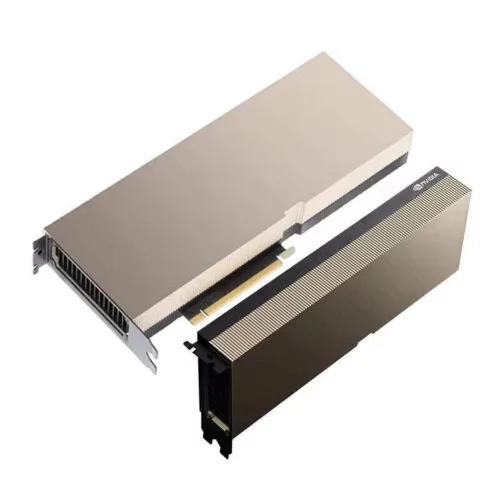
1. What Are Graphics Cards and Why They Matter
A Graphics Card (also known as GPU - Graphics Processing Unit) is responsible for rendering images, videos, and animations. Unlike CPUs that handle general computing tasks, Graphics Cards specialize in parallel processing, allowing them to handle thousands of operations simultaneously.
Key roles of Graphics Cards include:
- Rendering high-quality 2D and 3D graphics
- Accelerating video editing and encoding
- Supporting AI model training and inference
- Enhancing gaming performance with real-time rendering
- Powering scientific simulations and data visualization
Without powerful Graphics Cards, modern applications such as AAA games, 4K video editing, and AI-driven platforms would struggle to function efficiently.
2. How Graphics Cards Work
Graphics Cards operate by breaking complex visual tasks into smaller parallel tasks. This architecture allows them to process large amounts of data much faster than traditional CPUs for graphics-related workloads.
Main components include:
- GPU Core: Handles parallel computation
- VRAM (Video Memory): Stores textures and rendering data
- Cooling System: Maintains optimal temperature
- Power Interface: Supplies energy for high performance
The synergy between these components determines how powerful a Graphics Card is in real-world applications.
3. Types of Graphics Cards and Performance Levels
Below is a simplified comparison of common Graphics Cards categories:
| Type of Graphics Card | Performance Level | Main Usage | Typical Users |
|---|---|---|---|
| Entry-Level GPU | Low–Medium | Office work, light gaming | Casual users |
| Mid-Range GPU | Medium–High | Gaming, editing | Gamers, creators |
| High-End GPU | Very High | AI, 4K/8K rendering | Professionals |
| Workstation GPU | Extreme | Scientific computing | Engineers, researchers |
This classification helps users choose the right Graphics Cards based on their performance needs and budget.
4. Key Benefits of Graphics Cards
Modern Graphics Cards offer several advantages beyond visual enhancement:
- Faster Processing Speed for parallel workloads
- Improved Gaming Experience with higher FPS and realism
- Efficient AI Computing for machine learning tasks
- Enhanced Productivity in video and graphic design
- Multi-display Support for professional setups
These benefits make Graphics Cards indispensable in both personal and industrial computing environments.
5. Graphics Cards in Gaming, AI, and Industry
The application scope of Graphics Cards is expanding rapidly:
- Gaming Industry: Real-time ray tracing and immersive environments
- Artificial Intelligence: Training deep learning models efficiently
- Medical Imaging: Faster and more accurate image processing
- Engineering Simulation: Structural and fluid dynamics modeling
- Content Creation: 4K/8K video editing and animation rendering
As workloads increase, demand for advanced Graphics Cards continues to grow across industries.
6. Why Choosing the Right Supplier Matters
Selecting a reliable supplier for Graphics Cards and related hardware is crucial for performance stability and long-term scalability. High-quality manufacturing ensures better thermal control, longer lifespan, and optimized computing performance.
Telefly Telecommunications Equipment Co., Ltd. focuses on delivering professional-grade hardware solutions designed to meet the needs of modern enterprises, data centers, and technology-driven industries. With strong engineering capabilities and quality control systems, the company supports clients in building high-performance computing environments powered by advanced Graphics Cards technology.
7. Future Trends of Graphics Cards
The future of Graphics Cards is driven by innovation in AI and semiconductor technology:
- Integration of AI acceleration cores
- Higher VRAM capacity for large-scale computing
- Improved energy efficiency and cooling systems
- Cloud-based GPU virtualization
- Support for real-time 8K and beyond rendering
These advancements will redefine how Graphics Cards are used across industries.
Conclusion
Graphics Cards are no longer just gaming components—they are essential engines powering modern computing, from AI development to professional content creation. Understanding their structure, performance levels, and applications helps users make informed decisions when upgrading systems or building infrastructure.
For businesses and professionals seeking reliable hardware solutions and advanced computing support, working with experienced providers is essential.
If you are looking for high-quality solutions and professional consultation on Graphics Cards and related equipment, contact us today to learn more about how we can support your business growth and technical needs.