What Latency Thresholds Are Critical for Effective AI Vision Tracking in High Speed FPV Flight
2026-04-24
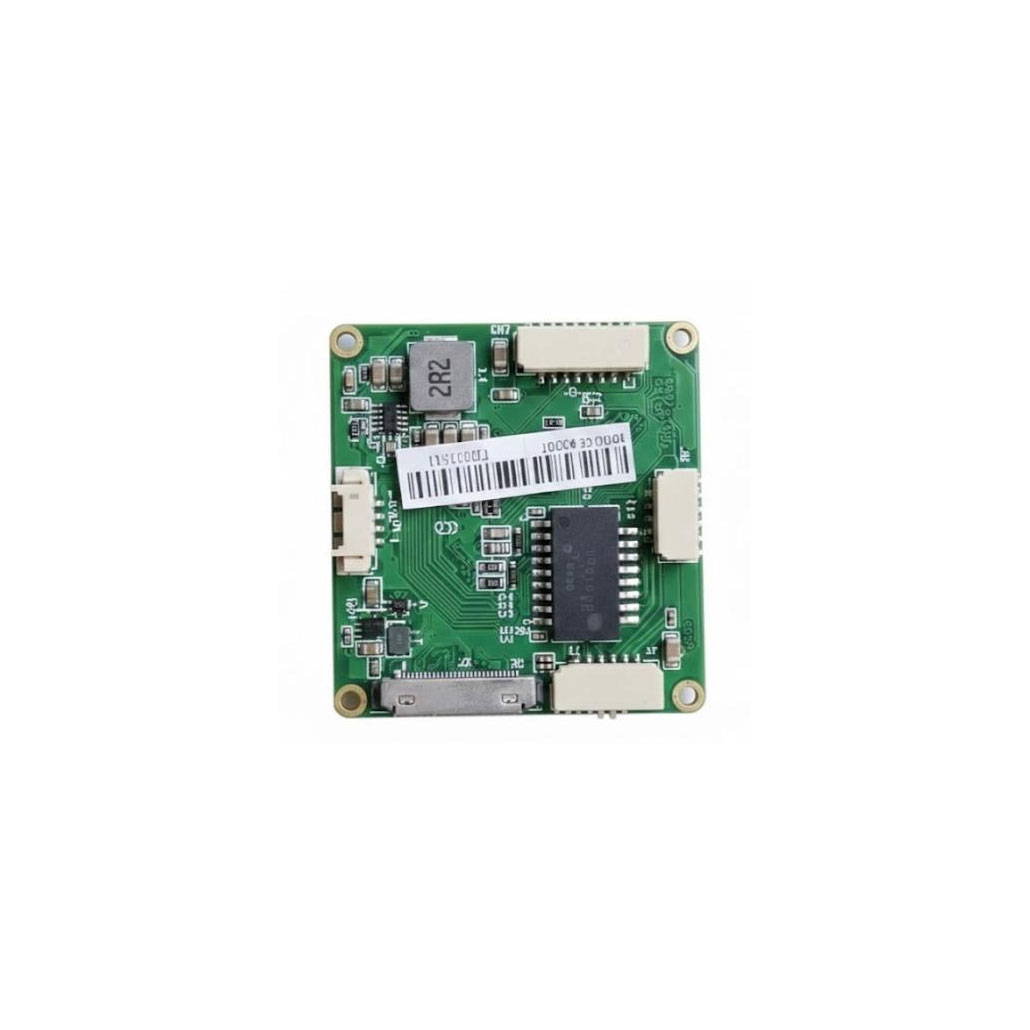
When piloting a high‑speed FPV drone, every millisecond determines success or failure. For an FPV Drone AI Vision Tracking Module to maintain lock on a moving target while the drone itself is maneuvering at 150+ km/h, latency must stay within strict boundaries. Jioptics specializes in vision modules that push these limits, ensuring that AI tracking remains fluid, responsive, and reliable even in extreme flight conditions.
Understanding Critical Latency Thresholds
Latency in an FPV Drone AI Vision Tracking Module is the total delay from image capture to the flight controller receiving a corrected tracking signal. For high‑speed flight, the following thresholds are universally accepted:
| Latency Range | Effect on Tracking | Suitable Flight Speed |
|---|---|---|
| < 20 ms | Seamless tracking, target remains centered | > 120 km/h |
| 20 – 40 ms | Mild overshoot, noticeable but manageable | 60 – 120 km/h |
| 40 – 60 ms | Frequent target loss, heavy pilot compensation required | 30 – 60 km/h |
| > 60 ms | Unusable for dynamic tracking | < 30 km/h (hover/cruise only) |
Why Sub‑20ms Matters for High Speed Flight
At 100 km/h, an FPV drone travels about 28 meters per second. A 50 ms latency means the FPV Drone AI Vision Tracking Module processes an image that is already 1.4 meters behind the actual position. By keeping total latency under 20 ms, Jioptics reduces this error to less than 0.6 meters, allowing the AI to maintain visual lock during rapid yaw spins, power loops, and split‑S maneuvers.
Hardware and Software Factors
-
Sensor readout speed – Global shutter sensors are mandatory; rolling shutter adds 5‑15 ms.
-
ISP pipeline – Optimized image signal processing must complete within 3‑5 ms.
-
AI inference time – Lightweight models (e.g., MobileNet variants) run in 2‑4 ms on dedicated accelerators.
-
Transmission overhead – Digital video links add 5‑10 ms; analog systems are faster but lack data for tracking.
Jioptics modules integrate a dedicated vision processor that performs inference and sends only tracking coordinates (not video) to the flight controller, slashing transmission latency.
FPV Drone AI Vision Tracking Module FAQ
What is the maximum flight speed where a vision tracking module can still maintain reliable target lock?
Reliable lock depends on both speed and latency. With a Jioptics module operating under 20 ms total latency, consistent target tracking is achievable up to 180 km/h in good lighting and moderate contrast. Above 200 km/h, angular velocity becomes so high that even sub‑15 ms latency may cause the target to move across the frame faster than the AI can update. For most racing and freestyle applications, 150 km/h is the practical ceiling.
How does lighting condition affect the required latency threshold for an FPV Drone AI Vision Tracking Module
Low light forces longer exposure times (5‑10 ms or more), which adds directly to system latency. In twilight or dense forest canopy, the total delay can increase by 8‑12 ms. To compensate, Jioptics modules employ adaptive exposure and noise reduction that run in parallel with tracking, keeping total latency under 25 ms even at 10 lux. Without this optimization, a standard module would exceed 40 ms in low light, making high‑speed tracking impossible.
Can onboard recording or video transmission to goggles degrade the tracking latency?
Yes, if the module uses a shared processing pipeline. Many designs run video encoding (for recording) and analog/digital transmission through the same chip, adding 15‑30 ms. A dedicated FPV Drone AI Vision Tracking Module such as Jioptics isolates the tracking pipeline entirely. Video encoding and transmission occur on separate hardware paths, so the pilot can record 4K at 60 fps and transmit HD video without increasing tracking latency beyond the base 18 ms.
Practical Recommendations for Pilots
| Component | Recommendation |
|---|---|
| Camera | Global shutter, 120 fps minimum |
| AI processor | Dedicated NPU or FPGA |
| Flight controller | Direct UART connection (not CAN or I²C) |
| Target size | At least 40 pixels in shortest dimension |
Conclusion and Contact
Pushing an FPV Drone AI Vision Tracking Module to its limits requires understanding latency as a critical flight parameter. Jioptics continues to refine sub‑20 ms tracking for the world’s fastest FPV drones.
Contact us at Jioptics to request evaluation units, latency measurement reports, or custom integration support for your high‑speed FPV platform.