
What Are the Common Applications for GE FANUC PLC in Modern Industries
2026-02-26
Programmable Logic Controllers remain the backbone of industrial automation, and the GE FANUC PLC series continues to set the standard for reliability across global manufacturing sectors. At Yueyang Tongtu, we frequently consult with engineers seeking to optimize their control systems, and understanding the breadth of GE FANUC PLC applications is essential for selecting the right hardware. From discrete manufacturing to complex process control, the versatility of this platform ensures it remains a top choice for modern facilities.
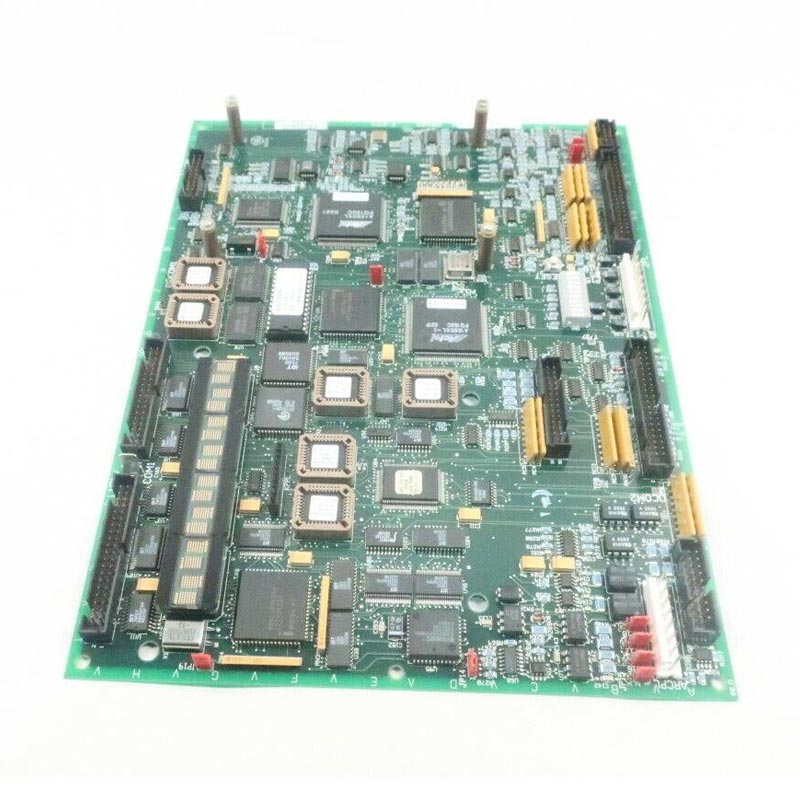
Primary Industrial Applications of GE FANUC PLC
The GE FANUC PLC is deployed across a diverse range of industries due to its robust construction and flexible programming capabilities. Below is a breakdown of the most common sectors and their specific uses.
| Industry Sector | Common Applications | Key GE FANUC PLC Advantage |
|---|---|---|
| Automotive Manufacturing | Assembly line sequencing, robotic welding control, paint shop automation | High-speed logic solve times and superior motion control integration |
| Food & Beverage | Batch mixing, bottling line filling, packaging and palletizing | Rugged I/O modules resistant to washdown environments |
| Water Treatment | Pump station control, filtration backwash cycles, chemical dosing | Long-term reliability and remote monitoring capabilities |
| Oil & Gas | Pipeline monitoring, wellhead control, emergency shutdown systems | Hazardous location certifications and redundant CPU options |
| Material Handling | Conveyor sortation systems, warehouse cranes, automated storage | Flexible networking via Ethernet Global Data (EGD) |
Key Application Areas Explained
The adaptability of the GE FANUC PLC platform allows it to function effectively in both centralized and distributed control architectures. In the automotive sector, for example, these controllers manage thousands of I/O points simultaneously, coordinating complex stamping presses with millimeter precision. The ability to handle high-speed counting and positioning makes the GE FANUC PLC indispensable for modern machining centers.
In the water and wastewater industry, facilities rely on the GE FANUC PLC for 24/7 unattended operation. The controllers manage variable frequency drives to optimize pump efficiency and log historical data for regulatory compliance. Yueyang Tongtu has supplied numerous GE FANUC PLC units to plants upgrading from relay logic, significantly reducing their energy consumption and maintenance downtime.
Furthermore, the integration capabilities of the GE FANUC PLC with SCADA systems allow facility managers to visualize operations in real time. Whether controlling a simple packaging machine or a complex chemical reactor, the deterministic performance of this hardware ensures that safety interlocks and process parameters are maintained without exception.
GE FANUC PLC Frequently Asked Questions
What communication protocols are supported by the GE FANUC PLC?
The GE FANUC PLC platform supports a wide array of industrial protocols to ensure seamless integration. Native support includes Ethernet Global Data (EGD) for high-speed peer-to-peer communication, SRTP for TCP/IP networking, and Genius Bus for remote I/O. Additionally, many modules support Profibus DP and DeviceNet, allowing the GE FANUC PLC to communicate easily with drives, HMIs, and third-party devices from other manufacturers.
How does the GE FANUC PLC handle high-temperature or dusty environments?
GE FANUC PLC hardware is engineered with industrial-grade components that feature extended temperature ratings and conformal coating options. The modular design allows for the use of rugged I/O blocks that can be mounted remotely in ambient temperatures up to 60°C. For dusty environments, the use of sealed enclosures combined with the PLC's low heat dissipation ensures reliable operation without the need for frequent maintenance, a key reason Yueyang Tongtu recommends them for harsh material handling applications.
Can I integrate an older GE FANUC Series 90-30 with modern HMI software?
Yes, integrating legacy GE FANUC PLC systems like the Series 90-30 with modern HMI platforms is achievable through several methods. The most common approach utilizes an Ethernet Interface module (such as the CMM321) to communicate via the SRTP protocol. Modern SCADA software packages, including Ignition and Cimplicity, have native drivers for this protocol. This allows facilities to modernize their operator interfaces while preserving the existing GE FANUC PLC logic and field wiring, offering a cost-effective path to digital transformation.
Conclusion
From automotive assembly to critical infrastructure, the GE FANUC PLC remains a cornerstone of reliable industrial control. Its ability to adapt to diverse environmental conditions and communication requirements makes it a sound investment for any automation project. At Yueyang Tongtu, we specialize in providing genuine automation solutions tailored to your specific operational needs.
If you are planning a system upgrade or require technical support for your GE FANUC PLC implementation, contact us today for a professional consultation and competitive pricing.