
How Does a Waterproof Membrane Keyboard Outperform Conventional Keyboards in Harsh Environments?
2026-09-30
In medical facilities, food-processing plants, and industrial workshops, a splash of liquid or a cloud of dust can instantly destroy an ordinary keyboard. Yet in these very environments, reliable data entry is mission-critical. This is where the waterproof membrane keyboard becomes indispensable. Unlike traditional keyboards with exposed mechanical switches, a waterproof membrane keyboard seals its internal circuitry beneath protective layers, ensuring uninterrupted operation even when exposed to water, chemicals, or extreme temperatures. Understanding how this technology works—and why it matters—can help engineers, procurement specialists, and facility managers make smarter input-device decisions.
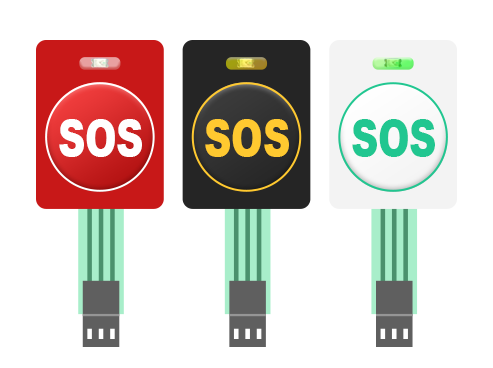
How Does a Waterproof Membrane Keyboard Work?
A waterproof membrane keyboard is constructed from multiple flexible layers that work together to register keystrokes while blocking contaminants. The core structure typically consists of a graphic overlay (the visible surface), an upper circuit layer with printed conductive traces, a spacer layer with cutouts at each key position, and a lower circuit layer. When a key is pressed, the upper circuit deforms downward through the spacer opening and contacts the lower circuit, completing the electrical loop and triggering a signal.
What makes this design waterproof is the sealing mechanism. A protective membrane—often made from nylon, polyester, polyurethane, or elastomer—functions as a gasket that seals internal areas of the keyboard from the external environment. The sealing layer prevents liquids from penetrating the interior, while also blocking dust, dirt, and other airborne contaminants. Some advanced designs incorporate drain holes at the bottom to channel spilled liquids away from the keys, while others rely on fully sealed enclosures that meet NEMA 4X or IP67/IP68 ratings.
Waterproof Membrane Keyboard vs. Mechanical Keyboard: A Critical Comparison
When choosing an input device for demanding environments, the difference between a waterproof membrane keyboard and a standard mechanical keyboard is substantial. The following table highlights the key distinctions:
| Feature | Waterproof Membrane Keyboard | Mechanical Keyboard |
|---|---|---|
| Water & Dust Resistance | Fully sealed; IP54 to IP68 protection | Minimal; switches exposed to spills |
| Cleaning Method | Spray, wipe, or full submersion | Wipe only; liquid damages circuits |
| Cost per Unit | $2–$15 for custom units at volume | $30–$200+ per unit |
| Key Lifecycle | 1 million+ operations | 50 million+ per switch |
| Hygiene Compliance | No crevices; prevents bacterial growth | Gaps between keys trap debris |
| Customization | Full graphic overlay, size, and layout flexibility | Limited to keycap swaps |
The cost advantage of membrane keyboards is significant. At production volumes exceeding 1,000 units, custom membrane switch assemblies typically cost $3–$12 per unit including tooling amortization. For a hospital network outfitting dozens of workstations or a food-processing facility requiring frequent keyboard replacement due to sanitation protocols, this price differential translates into substantial long-term savings.
Why Does Waterproofing Matter in Critical Industries?
The importance of a waterproof membrane keyboard extends far beyond mere convenience. In healthcare settings, keyboards that harbor bacteria in the crevices between keys pose genuine infection risks. A sealed, flat-surface membrane keyboard eliminates these gaps, making thorough disinfection with spray or wipe sanitizers practical and effective. In food processing, keyboards must withstand directed hose water and chemical cleaning agents on a daily basis—conditions that would destroy any conventional keyboard within days.
The global membrane keyboard market reflects this demand. Valued at approximately US$4.06 billion in 2026, the market is projected to grow at a compound annual growth rate of 8.1%, reaching US$5.99 billion by 2031. The medical membrane keyboard segment alone is expected to grow from US$179 million in 2025 to US$256 million by 2032, driven by increasing hygiene standards and the expansion of healthcare infrastructure.
Real-World Performance: What Users Experience
In practical deployments, the waterproof membrane keyboard delivers measurable benefits that go beyond water resistance:
-
Hygiene assurance: The seamless, flat surface prevents bacterial colonization, making it suitable for operating rooms, pharmaceutical clean rooms, and food-preparation areas. Disinfection can be performed in seconds without disassembly.
-
Extended service life: With a key lifecycle exceeding one million operations and sealed anti-oxidation conductive films, these keyboards resist the wear that shortens the lifespan of exposed mechanical switches.
-
Operational continuity: In industrial control rooms and outdoor kiosks, the ability to function through rain, spills, and temperature fluctuations (-30°C to 120°C) eliminates downtime caused by input-device failure.
-
Design flexibility: Custom graphic overlays allow manufacturers to integrate branding, function labels, and even LED indicators directly into the keyboard surface, reducing the need for separate control panels.
Applications Across Industries
The versatility of waterproof membrane keyboards has led to their adoption across a remarkably broad range of sectors:
-
Medical equipment: Surgical tables, patient monitors, diagnostic devices, and medical kiosks require keyboards that can be disinfected frequently without degradation.
-
Industrial control: Factory automation panels, CNC machine interfaces, and chemical-processing control rooms demand resistance to oils, solvents, and particulate matter.
-
Food and beverage processing: Washdown areas and production lines require keyboards rated for high-pressure water and chemical cleaning.
-
Outdoor and marine environments: Kiosks, transportation terminals, and marine navigation equipment benefit from the weather resistance of sealed membrane construction.
Dongguan Tiantai Electronics Co., Ltd. has been manufacturing membrane switches and keyboards for these exact applications since 2003. Operating from a 12,000-square-meter facility in Fenggang, Dongguan, the company has grown to over 300 employees and serves clients across Europe, North America, and Asia—including established partners such as LINAK, FLEXTRONICS, LG, and CASIO. Their product portfolio spans custom membrane switches, tactile and non-tactile membrane keyboards with waterproof ratings up to IP68, capacitive touch switches, and silicone rubber keyboards.
Choosing the Right Waterproof Membrane Keyboard
Selecting an appropriate waterproof membrane keyboard requires matching the protection rating to the operating environment. A keyboard rated IP54 offers adequate protection against dust and splashing water, suitable for general industrial settings. For applications involving direct hose washing or chemical disinfection, IP67 or NEMA 4X certification is necessary. In the most demanding scenarios—such as pharmaceutical clean rooms or chemical-processing facilities—IP68-rated keyboards that can withstand full submersion provide the highest level of assurance.
Beyond the protection rating, considerations should include tactile feedback preference (metal dome for crisp response vs. poly dome for softer activation), backlighting requirements for low-light environments, and the type of interface connector compatible with existing control systems. Working with an experienced manufacturer who can provide engineering guidance on these variables ensures that the final product performs reliably for years.
Conclusion
The waterproof membrane keyboard has evolved from a niche industrial component into an essential input solution across healthcare, manufacturing, food processing, and outdoor applications. Its sealed construction, cost efficiency, and adaptability make it the logical choice wherever liquids, contaminants, or hygiene requirements would compromise conventional keyboards. For organizations seeking a dependable supply partner with over two decades of membrane switch manufacturing expertise, Dongguan Tiantai Electronics Co., Ltd. offers comprehensive design, engineering, and production capabilities.
Ready to discuss your waterproof membrane keyboard requirements? Our engineering team is prepared to help you select the right specifications, materials, and protection ratings for your specific application. Contact us today to request samples, obtain a quotation, or explore custom design options. Let us demonstrate why leading global brands trust our membrane solutions.