
Vacuum Loader Solutions for Efficient Material Transfer
2026-10-19
In modern material handling, every second of downtime and every gram of spilled powder cuts directly into your margins. Vacuum loaders have quietly become the backbone of efficient transfer—pulling granules, powders, and regrind through closed pipelines with minimal dust and maximal consistency. Yet not all solutions are built alike. At Fanchang Machinery, we've rethought vacuum conveying from the ground up, focusing on the small engineering details that prevent clogging, reduce energy draw, and simplify cleaning. This guide unpacks what truly matters when selecting a vacuum loader, and why the right choice can transform your entire production line.
Rethinking Material Handling Beyond the Barrel
Most warehouses still treat the 55-gallon drum as the default unit of material handling. That assumption shows up in rack spacing, aisle width, even the gloves stocked at the loading dock. But a growing number of operations are finding that the barrel itself is often the bottleneck, not the contents.
Consider lubricant dispensing. Instead of moving full drums to each workstation, some plants now pump from a central tote into sealed, wheeled dispensers that hold a day's worth of fluid. The drum never travels; only the dose does. That cuts fork truck traffic and spares workers from wrestling 400-pound loads on casters.
The shift isn't about eliminating drums entirely. It's about asking where the container stops being useful and starts being overhead.
The Hidden Costs of Spill and Dust on the Floor
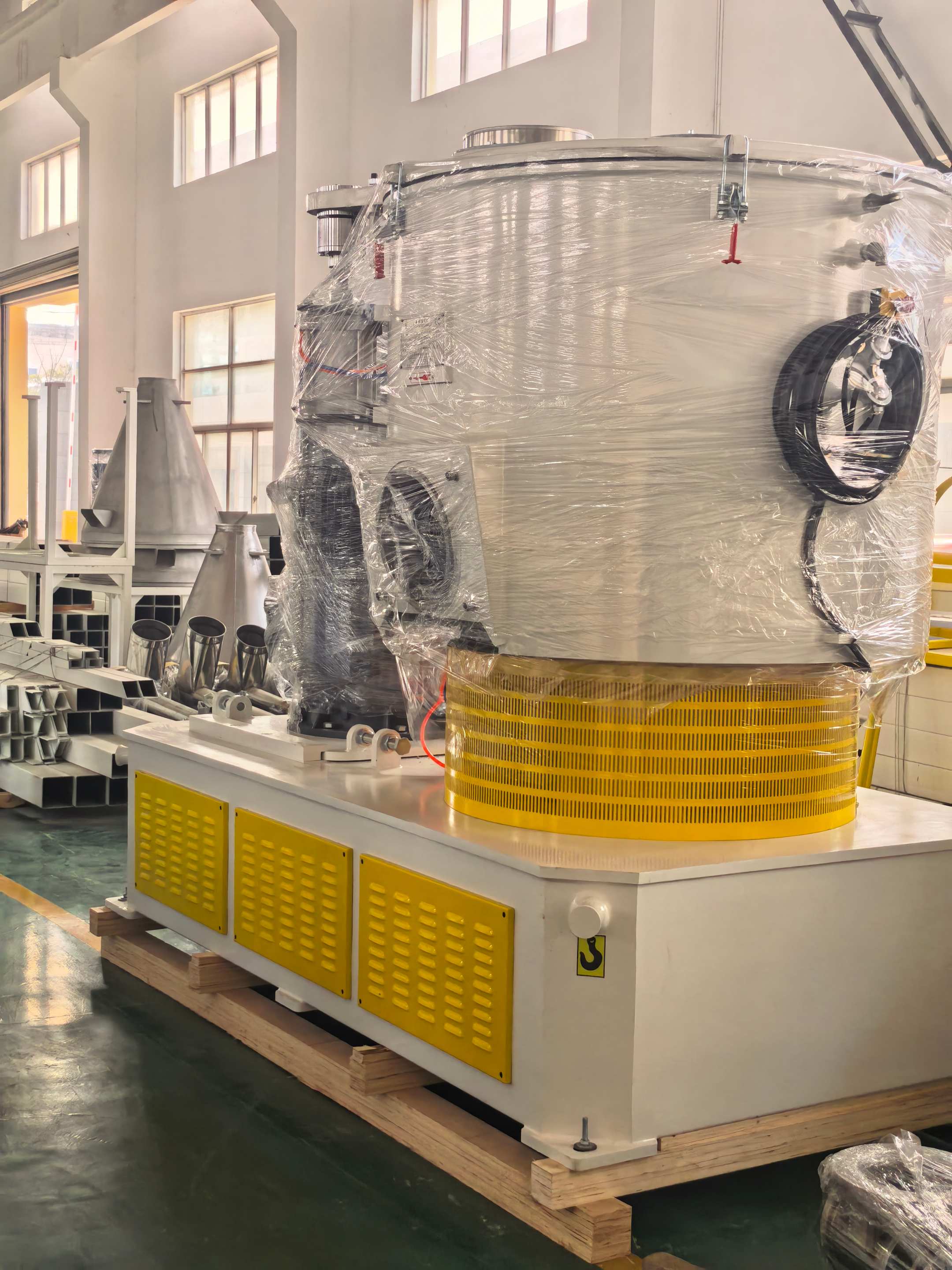
A spill on the floor is rarely just a spill. The liquid or powder that hits the ground represents raw material that has already been paid for but will never become a finished product. Every minute spent fetching rags, mixing cleaning solution, and mopping up is a minute taken away from production tasks, yet the payroll clock keeps running. Over the course of a week, these small interruptions compound into hours of lost labor and measurable drops in output that never appear on a single invoice.
Dust works more quietly, but its financial toll is just as real. Fine particles settle into bearings, gears, and electronic components, accelerating wear and inviting unexpected breakdowns. Filters clog sooner, motors run hotter, and energy consumption climbs as equipment struggles to perform under a layer of grit. The result is a maintenance budget that keeps expanding for repairs and replacements that could have been postponed or avoided entirely.
There is also a human and operational cost that often goes unnoticed. Floors made slippery by spills or powdery residue raise the chance of falls and injuries, which leads to lost time, higher insurance premiums, and a workforce that feels less secure in its environment. Dust drifting into packaging or product lines can compromise quality and trigger waste, rework, or even customer returns. What begins as a minor housekeeping issue quietly becomes a recurring drain on safety, morale, and profitability.
Choosing Between Dilute and Dense Phase Vacuum Loading
Start with the material. Dense phase vacuum loading is gentler on fragile powders and granules because the conveying velocity stays low—often under 10 m/s—so particles aren't smashed against pipe walls. Dilute phase runs much faster, which is fine for robust, free-flowing materials like plastic pellets or whole grains, but it can turn brittle solids into dust.
Look at distance and throughput next. Dilute phase systems are simpler and cheaper to install for short runs and steady feed rates, but they use more air and create more wear on bends. Dense phase handles longer distances and abrasive products with less pipe erosion, though it needs higher vacuum levels and more precise feeder control to keep the material moving in slugs.
A practical tiebreaker is your tolerance for maintenance and energy. If the powder can take the speed and you value low upfront cost, dilute phase is often enough. If you're moving something costly, abrasive, or sensitive to fines—like silica sand, carbon black, or spray-dried food ingredients—dense phase pays off in reduced product loss and longer pipe life. Testing a sample in both modes is the surest way to see how it actually behaves before committing.
Why Your Current Conveyor Fails with Light Powders
Light powders have a stubborn habit of ignoring every rule you learned about bulk handling. They fluidize at the slightest vibration, cling to surfaces through static charge, and billow into clouds the moment they hit open air. Your current conveyor was likely designed for heavier, denser materials—screw flights sized for grain, belt troughs angled for aggregates. When you feed it a powder with the consistency of flour or fumed silica, the material stops behaving like a solid and starts acting like a liquid with a grudge.
The first failure point is almost always the seal. Powders find the microscopic gap between a rotating shaft and its housing, work their way into bearings, and turn grease into grinding paste. Next comes the throughput drop: as material aerates, the screw or paddle simply spins through a cloud without moving anything. You end up with bridging in the hopper, packing at the discharge, and a dust plume that coats every surface within ten meters. None of this is a sign of operator error—it is a fundamental mismatch between the equipment's assumptions and the powder's actual behavior.
What makes this failure so frustrating is that it rarely announces itself. You do not get a sudden breakdown; you get a slow, expensive decline. More frequent cleaning, higher energy draw, inconsistent feed rates into downstream processes, and product loss from spillage or dust collection. Before long, your conveying line becomes the bottleneck nobody can explain, and the fix is not another patch or higher vacuum pressure—it is a redesign around the powder's own physics.
Layouts That Let One Vacuum Loader Serve Multiple Stations
A single vacuum loader can handle several stations when the conveying lines are arranged around a central manifold. Each pickup point gets its own branch with a shutoff or diverter valve, and the loader cycles through them one at a time. The manifold is usually placed close to the loader inlet to keep the common vacuum path as short as possible, which reduces pressure drop and makes the system easier to balance. Line diameters are sized for the farthest station first, then smaller branches are stepped down only if the material flow stays consistent.
One layout that works well in cramped plants is a radial arrangement, with the loader in the middle and stations connected like spokes. Here the central receiver acts as the collection point, and a rotating or indexed valve selects the active line. A loop layout is another option: stations are tied into a closed ring, so the loader can draw from either direction depending on which valves are open. This adds redundancy if a section gets blocked, but the extra pipe length means you need a bit more vacuum capacity.
When planning the layout, pay attention to material type and conveying distance. Regrind, powder, and pellets behave differently in the same pipe network. It's often better to group stations with similar materials on the same branch leg and use separate drop-out boxes or filters at the loader. Also, make sure the control logic opens only one station valve at a time; otherwise the available vacuum drops and you end up with half-empty conveying lines.
Setting Up Sensors for Clog-Free Transfer Lines
Before installing any sensor, walk the full length of the transfer line with the maintenance crew and mark every point where material tends to slow, bridge, or back up. Look for elbows, reducers, and long horizontal runs — these are your choke points. A sensor placed five feet upstream of a known problem area will almost always give you more useful data than one mounted right at the blockage, because you want to catch the pressure change or fill-level drop before it turns into a full stop.
Choose your sensing method based on what actually moves through the line. For powders and fine granules, a non-contact capacitance probe or a microwave barrier works better than a paddle switch, which can get coated and false-trigger. For damp or sticky materials, acoustic sensors that listen for the change in flow noise are surprisingly reliable and require almost no cleaning. Mount everything on a short standoff or a vibration-damped bracket; direct contact with the pipe wall will transmit pump and motor noise that drowns out the signal you need.
After wiring, run the line empty and then full while watching the raw sensor output on a laptop. Set your alarm thresholds just inside the normal operating band, not at the extreme edge — a 10% drift from baseline usually means the start of a clog, while a 50% change means you are already digging material out. Finally, schedule a walk-by calibration check every two weeks, because dust buildup, temperature swings, and changes in material moisture will slowly shift your baseline and make any fixed threshold useless over time.
FAQ
Vacuum loaders use negative air pressure to pull powders, granules, or pellets from a pickup point into a sealed chamber. They replace manual scooping or gravity chutes with a closed, controlled flow, which cuts spillage, speeds up batch feeding, and keeps the work area cleaner.
Plastics processing, food production, chemical manufacturing, and pharmaceutical plants see the biggest gains. Any operation that moves bulk solids into hoppers, mixers, or packing lines avoids cross-contamination and repetitive labor with a well-sized vacuum system.
Match the conveying velocity to the material. Fragile granules call for lower air speed and larger tubing to reduce breakage, while abrasive powders need hardened elbows and wear-resistant filters. A test run with the actual material is the fastest way to confirm the right setup.
Inspect seals, gaskets, and filter cartridges weekly. Clogged filters force the motor to work harder and drop conveying rates. Blow down or replace filters on a schedule, check vacuum pump oil if applicable, and listen for air leaks around hose connections.
Yes, but distance and lift reduce throughput. Short runs under 50 feet with a few feet of vertical rise are straightforward. For longer runs or tall silo loading, you need a more powerful pump, larger line diameter, and possibly booster receivers to maintain consistent suction.
Longer load times, material backing up in the pickup wand, frequent filter clogging, or a noticeable drop in vacuum gauge reading. Leaks at hose clamps, worn filters, or an undersized pump are usually the culprits.
Mechanical augers and bucket elevators move material with moving parts that wear and need lubrication. Vacuum loaders have fewer contact points, sealed piping, and easier cleanout between batches. The tradeoff is lower throughput for very heavy, dense materials and higher energy use per pound moved in some cases.
They improve safety because the material stays enclosed from pickup to discharge. For combustible dusts, you need grounding straps, static-conductive hoses, and an explosion-rated filter housing. Toxic powders require HEPA filtration on the exhaust and a sealed collection container to prevent operator exposure.
Conclusion
Material transfer rarely gets the attention it deserves until a line stops or a bin spills. Moving beyond barrel-to-hopper thinking means treating vacuum loaders as part of the process, not a quick fix. The mess left on the floor from spills and dust is more than housekeeping—it's product loss, contamination risk, and time wasted cleaning. Vacuum loading changes that by pulling material through closed lines, keeping powders where they belong. The choice between dilute and dense phase matters more than most realize: dilute works for short, high-speed moves, while dense phase protects fragile blends and reduces wear when distances grow. Yet many systems still fail with light powders because conventional conveyors rely on gravity or mechanical force that aerates fines and causes bridging. A vacuum loader with proper pickup nozzles and filter design handles low bulk density without choking.
Layout flexibility also sets vacuum systems apart. Instead of dedicating one conveyor to each hopper, a single vacuum loader can serve multiple stations through a network of line diverters and valved pickup points. That cuts capital cost and floor footprint while allowing expansion later. To keep transfer lines from clogging, sensor placement becomes the quiet workhorse—level probes at the receiver, pressure switches across filters, and flow monitors at elbows feed small adjustments before a blockage builds. The result is not just cleaner material handling but a steadier, more predictable process. Once the barrel is no longer the center of every material move, operators stop chasing dust and start using the extra time for actual production.
Contact Us
Contact Person: Darye WANG
Email: [email protected]
Tel/WhatsApp: 86-13501017897
Website: https://www.fcntd.com/