
Toilet Paper Rewinding Machine Vendor: How to Choose a Reliable Partner for Your Business
2026-09-24
Finding a toilet paper rewinding machine vendor who won’t disappear after the sale is harder than it sounds. Everyone promises high speed, low waste, and 'lifetime support'—until something breaks. Before you hand over your budget, you need to know exactly what separates a dependable supplier from a costly gamble. That’s where DAXIN comes in: a name that actually stands behind its equipment. In this post, we’ll show you the questions to ask and the red flags to avoid, so your next purchase keeps your production running smoothly.
When a Vendor's Sales Pitch Doesn't Match the Factory Floor
You walk the production line after signing the contract, and the gap hits you like a wave of heat from a curing oven. The vendor's deck promised tight tolerances and cheerful operators, but the bins of rejected parts by the door tell a quieter, messier story. Nobody mentioned the three extra steps added by hand, or the machine that only runs at half its quoted speed when the humidity climbs.
The mismatch rarely lives in the big claims. It hides in the margins: cycle times measured on a perfect day, quality data cherry-picked from a single shift, or a layout render that conveniently leaves out the staging area wedged between two columns. By the time your engineers start asking why the floor doesn't match the PDF, the sales team has moved on to the next prospect.
What separates a workable supplier from a polished pitch is the willingness to walk the line before the ink dries. Send your own people with stopwatches and a healthy sense of doubt. Ask the operators where the bottlenecks really are. If a vendor won't let you kick the tires on a bad day, the glossy brochure was probably doing the heavy lifting.
The Real Cost of a Cheap Rewinder Shows Up Six Months Later
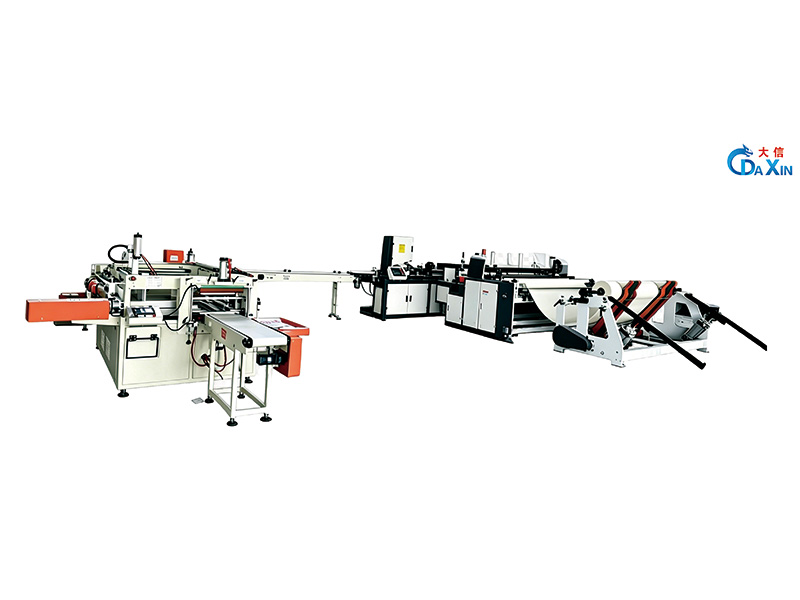
At first glance, the price tag makes perfect sense. The machine slots into the line without a fuss, runs acceptably for a few weeks, and the finance team sees a number they like. But around the six-month mark, the real story starts to show. Bearings that should have lasted years begin to whine. Tension drift becomes a daily fight. Operators start keeping a log of stops and adjustments, and that log fills faster than anyone expected.
By then, the savings have already been spent elsewhere. Every hour of unplanned downtime eats into delivery schedules. The maintenance team learns which parts fail first and starts stocking spares that a better-built rewinder wouldn't need. Meanwhile, the low upfront cost quietly turns into a recurring line item: replacement rollers, control board repairs, and extra labor to babysit a machine that was supposed to run unattended.
Six months is enough time for weak components to reveal themselves. What felt like a bargain at purchase now shows up as slower changeovers, inconsistent roll hardness, and a growing pile of scrap. The real cost isn't on the invoice—it's in the nights the line sits idle and the mornings spent reworking material that should have been right the first time.
Why Your Paper Grade Matters More Than the Machine's Top Speed
A printer that spits out pages at sixty per minute looks impressive on a spec sheet, but the truth is that speed only becomes a benefit when the paper can handle it. Cheap, low-grade stock tends to curl, jam, or smear under high heat, making those headline numbers meaningless. If you're printing reports, invoices, or anything a client will hold in their hands, the tactile quality of the paper often leaves a stronger impression than how quickly the job finished.
Higher-grade paper does more than just feel better. It holds toner or ink more evenly, resists show-through on double-sided prints, and survives longer in storage without yellowing or becoming brittle. In a busy office, that translates to fewer reprints, less time spent clearing misfeeds, and a final product that actually reflects the professionalism you intended.
So before you chase the fastest machine on the market, ask what kind of paper you'll be feeding it. A mid-speed printer with quality stock will outwork a high-speed unit struggling with flimsy sheets every single day.
A Service Call at 3 a.m. Can Make or Break Your Production Week
The phone rings at an hour when the plant floor is quiet and the next shift is still hours away. You answer because a stalled line now costs more than a missed night of sleep. What happens in the next thirty minutes sets the tone for the rest of your week.
A technician who shows up ready to listen—not just to the machine, but to the operator who knows its quirks—can turn a potential shutdown into a short, controlled restart. The best service calls feel less like an emergency and more like a focused conversation between someone who designed the equipment and someone who runs it every day.
But a rushed fix, a missing spare part, or a vague promise that someone will “look into it tomorrow” can ripple through your schedule for days. When every hour of downtime chips away at delivery dates and overtime budgets, the difference between a good call and a bad one is rarely about the part that failed. It is about whether the person on the other end of the phone treats your 3 a.m. problem as their own.
Customization Isn't About Extra Features, It's About Your Specific Roll Diameter
Many equipment vendors mistake customization for piling on more bells and whistles, but real customization starts with one unglamorous, non-negotiable number: the diameter of your roll. If your line runs a 127 mm core while the machine is built around a 152 mm standard, no amount of fancy touchscreens or extra sensors will make it fit your setup. That’s why the first question we ask isn’t about feature lists—it’s about the exact roll diameter you need to handle, down to the millimeter.
Roll diameter dictates everything downstream: tension control, surface speed matching, web path geometry, and ultimately the consistency of your output. We’ve seen customers arrive with a spec sheet demanding “more automation” when what they actually needed was a roller assembly that wouldn’t slip or stretch their material because the diameter was off by a few percent. So before any talk of upgrades, we lock down that diameter—and build outward from there, not the other way around.
How to Read Between the Lines of a Vendor's Reference List
A vendor's reference list is rarely a neutral roster of satisfied clients—it's a curated exhibit designed to steer your attention toward the shiniest outcomes while quietly burying the awkward ones. Look past the impressive logos and count what's missing: are the references clustered in one industry, or suspiciously absent from yours? Does every testimonial read like it was written by the same marketing hand, with the same vague praise about "great partnership" and "responsive support"? A healthy list should include a mix of project sizes, timelines, and even a few candid admissions of mid-project course corrections. If every reference is flawless, someone's editing too hard.
When you finally get a reference on the phone, resist the urge to ask softball questions like "Were you happy with the work?" Instead, probe for specifics that can't be rehearsed: what happened when the vendor missed a deadline, how they handled an unexpected scope change, or which internal team members actually pushed back against the tool. Listen to the pauses and hedges—"They were fine, I guess" or "We made it work eventually" often reveal more than a five-star rating. Also ask for a reference who ended the contract early or chose not to renew; if the vendor can't produce even one, that's a louder signal than any glowing recommendation.
FAQ
Look beyond glossy brochures. Ask for a live demonstration or recent customer references, and pay attention to how quickly they respond to your questions. A vendor who hesitates on basic technical specs often won't be reliable later.
Request detailed photos or videos of the frame, rollers, and control panel during production, not just the finished unit. If possible, visit their workshop or ask an independent engineer to inspect the equipment. Solid welding, tight tolerances, and branded electrical parts are good signs.
Instead of asking 'Do you sell good machines?', describe your target output, paper width, and core size, then see if they suggest the right model, motor power, and optional embossing or perforation units. A knowledgeable partner will flag issues like dust control or paper tension before you do.
It can make or break your uptime. Ask about response time for troubleshooting, availability of spare parts, and whether they offer remote video guidance. Some vendors only sell machines; reliable partners keep a stock of common wear parts and can ship them within a few days.
Not necessarily. A low upfront price often hides thinner steel, smaller motors, or no training. Compare total cost over five years, including downtime, spare parts, and energy use. Sometimes paying 10-15% more for a sturdier frame and better gearbox saves thousands in repairs.
Vague delivery dates, refusal to put technical promises in writing, or pressure to pay 100% upfront are signs to slow down. A trustworthy vendor will offer a clear contract with installment terms and a warranty that covers key components like bearings and PLC systems.
Ask for contact details of two or three buyers with similar production volumes, and call them directly. Inquire about hidden issues: how many breakdowns in the first year, was training adequate, and did the vendor honor warranty claims. Trade forums and factory floor photos can also reveal real customer experiences.
Yes, many vendors offer options like 3-ply converting, glue-free tail sealing, or smaller core diameters for jumbo rolls. Clarify which customizations are handled in-house versus outsourced, and ask for a sample run with your own paper before finalizing the order.
Conclusion
A toilet paper rewinding machine is a long-term investment, and the vendor you pick determines whether that investment pays off or quietly drains your budget. Too often, the polished sales presentation promises high output and smooth operation, but when the machine hits your factory floor, the story changes. The first sign of trouble is usually a mismatch between what was pitched and what actually happens when paper starts winding. That gap often comes from a vendor who doesn't understand your specific paper grade. A machine tuned for soft, low-strength tissue will behave very differently with recycled or higher-basis-weight sheets, and top speed numbers mean nothing if the rewinder can't handle your material without constant breaks or jams. Cheap machines look attractive on the invoice, but six months later you're paying for frequent roll rejects, missed production targets, and extra maintenance hours. The real cost isn't the purchase price—it's the downtime and waste that creep in after the honeymoon period ends.
Beyond the machine itself, vendor reliability shows up in moments you don't plan for. A 3 a.m. service call is the true test: if your vendor doesn't answer or can't guide your crew through a quick fix, one broken sensor can shut down an entire production week. Customization matters, but not in the way many vendors present it. You don't need a long list of add-on features; you need the machine configured to your exact roll diameter, core size, and paper tension needs. That kind of fit comes from a vendor who asks about your production line, not one who pushes a generic model. Finally, don't take a reference list at face value. Call those customers and ask pointed questions about long-term performance, spare parts availability, and how the vendor handled problems after installation. The best reference isn't the one that praises the machine on day one—it's the one that can tell you what happened after two years of daily use.
Contact Us
Contact Person: Sam Xie
Email: [email protected]
Tel/WhatsApp: 86-18938538530
Website: https://www.daxin321.com/