
Fluralaner Poultry Solution Exporter for Reliable Mite Management
2026-09-30
Red mite infestations can drain flock health and farm profits long before visible signs appear. That makes the choice of a Fluralaner poultry solution exporter just as critical as the active ingredient. Lucpets focuses on reliable mite management without the guesswork, so producers can keep birds healthier and production steadier. Here’s what to look for in a partner that treats mite control as a science, not a side note.
When Mite Infestations Stop Responding to Standard Sprays
When mite infestations stop responding to standard sprays, it usually means the local population has developed resistance to one or more active ingredients. This can happen after repeated use of the same miticide class, especially if applications were timed poorly or rates were slightly off. You might notice that leaves still show stippling and webbing even after a supposedly effective treatment, or that mites bounce back faster than before.
Resistance isn't always uniform across a field or greenhouse. Some pockets may still be controlled by the old chemistry while others are completely unaffected. The first step is to confirm you're actually dealing with resistant mites and not a coverage issue, a misidentification, or a product that degraded in storage. A simple lab bioassay or even a careful on-farm side-by-side test can clarify what's going on.
Once resistance is confirmed, rotating to a different mode of action becomes critical. Avoid using another product from the same chemical group, as cross-resistance is common. Integrating biological controls, horticultural oils, or insecticidal soaps can also reduce selection pressure. And don't forget cultural steps like removing heavily infested leaves, improving airflow, and avoiding excessive nitrogen that makes plants more attractive to mites.
How Export Logistics Keep Fluralaner Potent From Factory to Farm
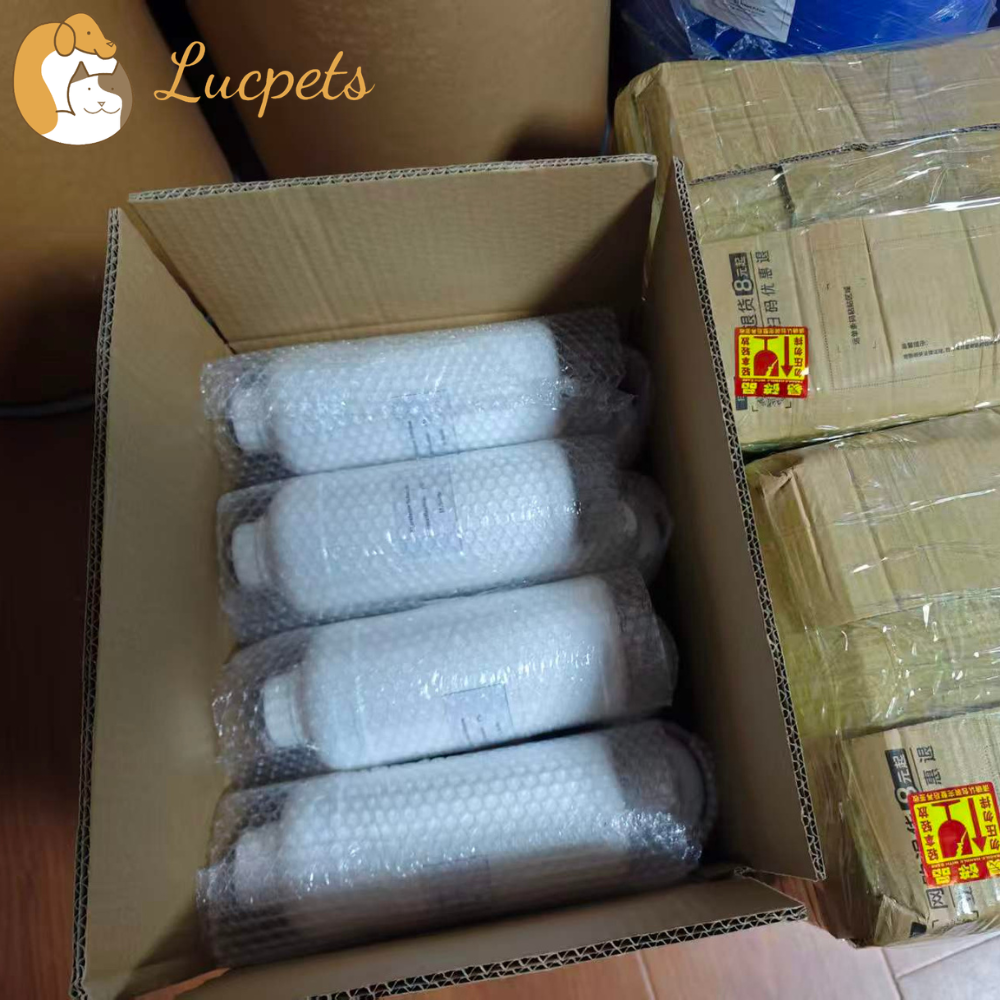
Fluralaner shipments leave the plant only after stability batches have confirmed the molecule can tolerate the exact temperature window expected during transit. Refrigerated containers are pre-conditioned to 2–8°C, and loading docks are sealed to prevent ambient heat from creeping in during the handoff. Every pallet carries a calibrated data logger that records temperature at fifteen-minute intervals, so a single excursion does not go unnoticed.
At ports where a reefer sometimes sits for days waiting for customs clearance, forwarders pre-book priority inspections and keep spare generator sets on standby. If a container is opened for inspection, staff use cold-chain tents and reseal it within minutes. Once the shipment clears, domestic legs use smaller refrigerated vans with temperature buffering materials, and the final handoff to farm distributors includes a quick check of logger data before acceptance.
This kind of logistics discipline is not about adding cost; it is about recognizing that a parasiticide’s value lies in its stability. A fluralaner batch that warms up for a few hours may look unchanged but can lose enough potency to fail under field conditions. Export teams therefore treat each shipment as a live pharmaceutical product rather than ordinary cargo, and that mindset is what keeps the active ingredient effective until it is mixed into a pour-on or oral dose on the farm.
Selecting a Fluralaner Exporter With a Veterinary Mindset
The most dependable fluralaner exporters are the ones who talk about animal outcomes before they mention shipment volumes. Instead of pushing a catalogue, a veterinary-minded supplier will ask which species you serve, what parasite pressures dominate in your region, and whether the end user has a reliable way to weigh animals. Those questions matter because a dosing error in a small-breed dog is not a customer service issue; it is a clinical one.
When you evaluate an exporter, look past the certificate wall. Ask for a pointed conversation about stability data under high humidity, the handling of temperature excursions, or how they would trace a batch if a suspected lack of efficacy report came back from the field. A team with real veterinary grounding will answer without scrambling for a technical sheet. They will also be honest about what fluralaner cannot do, rather than treating every market as identical and every query as a sales lead.
Over time, the difference shows up in small ways. A veterinary-minded exporter flags a regional trend in tick resistance before your order volume drops, suggests alternative package sizes for mobile clinics, and keeps complaint files that read like clinical case notes rather than boilerplate. That is the kind of partner worth committing to, because they understand that every carton leaving the warehouse ends up in the hands of someone trying to keep an animal healthy.
Why Supply Consistency Matters More Than a Low Price
A low unit cost looks attractive on a spreadsheet, but it quickly loses its appeal when deliveries slip or quality wavers from one batch to the next. Buyers who chase the cheapest quote often end up managing shortages, expediting freight, and apologizing to their own customers. Those hidden costs eat into the savings and then some.
Consistent supply, by contrast, lets a business plan production with confidence. When a supplier delivers the same spec, on the same schedule, week after week, inventory becomes predictable. Teams can reduce safety stock without risking stockouts, and assembly lines run closer to capacity. That stability creates room to negotiate better terms elsewhere and builds a reputation for reliability that cheap sourcing can't buy.
Over time, the supplier who shows up consistently becomes more valuable than the one who undercuts on price but keeps you guessing. Reliability compounds: fewer fire drills, less rework, stronger downstream relationships. Price still matters, but only after consistency is already on the table.
Reading Between the Lines of Exporter Quality Certificates
Every certificate claims compliance, but the real story hides in the margins and fine print. A genuine quality document carries a traceable chain of custody: the issuing body, the standard version, the date of inspection, and the scope of products covered. Missing or vague references often signal that the certificate was issued for a different production batch or obtained under lenient conditions. The most telling details are what the exporter chooses to leave out—specific test parameters, batch numbers, or the accredited laboratory name.
Beyond the official stamps, look for internal consistency. Does the certificate’s product description match the actual shipment? Are the tolerances expressed in measurable units rather than generic phrases like “high quality” or “export grade”? Discrepancies between the certificate’s issue date and the production timeline can reveal certificates purchased after the fact. Some exporters recycle old certificates by altering dates, leaving subtle evidence in font mismatches or overlapping print artifacts. A careful reader treats every certificate as a claim to be verified, not a fact to be accepted.
The most reliable certificates come with direct verification paths. If the issuing body cannot be contacted or the certificate number does not appear in a public registry, that silence speaks louder than any logo. In many markets, local inspection companies issue certificates based on visual checks rather than destructive testing—meaning the paper guarantees appearance, not performance. Knowing the difference between a certificate of conformity, a test report, and a batch inspection certificate is the first step to reading between the lines without being misled by official-looking language.
A Flock Owner’s Journey From First Dose to Lasting Relief
The first time you pick up a bottle of treatment for your flock, it rarely feels like a milestone. There’s a hen with crusty eyes, another with a raspy breath, and you’re counting birds instead of sitting down to breakfast. The journey from that first dose to lasting relief isn’t a straight line. It’s coaxing a stubborn hen to swallow, checking waterers twice a day, and learning which birds hide sickness until they can’t anymore.
Relief doesn’t arrive with a single application. It comes in small, unglamorous moments: a comb that pinks up after three days, a rooster that starts chasing feed again, a coop that stops smelling like damp feathers and defeat. You begin to notice patterns—how stress from a cold snap can undo a week of progress, how the flock’s mood shifts before their symptoms do. That’s when dosing stops feeling like guesswork and starts feeling like a conversation.
By the time you reach lasting relief, the medicine bottle isn’t the hero. It’s the routine you built around it—the isolation pen you learned to set up in five minutes, the records you keep in a spiral notebook, the way you now spot trouble before it spreads. Your birds don’t just survive the next flare-up; they bounce back faster, and you trust your own hands again.
FAQ
Sprays often miss mites hidden in cracks and under perches, while fluralaner works systemically after oral intake. Once birds drink the treated water, the active ingredient circulates in the blood and kills mites when they feed, reaching populations that contact treatments leave behind. That systemic route also reduces labor and re-treatment frequency compared with weekly spraying routines.
Most producers see a noticeable drop in mite counts within 24 to 48 hours after the first drinking water dose. Because mites must take a blood meal to reproduce, the knockdown effect tends to carry through the entire life cycle. Peak control usually happens within a few days, and a single well-timed application can break the infestation cycle in many housing systems.
Field use in breeder operations has shown no negative impact on fertility or hatchability when the product is administered at the labeled drinking water rate. It is important to follow the local veterinary guidance on timing, especially around egg collection for hatching, but the molecule itself does not accumulate in reproductive tissues at levels that harm embryos.
That depends on the registration status in the destination country, but a commonly accepted range for fluralaner in poultry is 14 days for meat and offal. Some markets require longer if local residue limits differ. We always provide the certificate of analysis and recommended withdrawal guidance with every export batch.
Yes, the standard export format is a stable oral solution that mixes easily in drinking water systems. It can be used in both tank and proportioner setups. For large integrated farms, we also offer bulk packaging with tamper-evident seals and batch-specific documentation.
Each shipment goes out with a full set of documents: certificate of analysis, certificate of origin, MSDS, and any required veterinary certificates. We keep retention samples from every production lot for at least three years. If a buyer ever questions a batch, we can trace it back to the raw material lot and production date within hours.
The main target is Dermanyssus gallinae, the poultry red mite, which causes anemia, stress, and production drops in layers and breeders. Fluralaner also shows activity against Ornithonyssus sylviarum, the northern fowl mite, and other blood-feeding mites that spend part of their cycle on the bird.
Any single-mode acaricide can select for resistance if used endlessly as the only tool. Fluralaner belongs to the isoxazoline class and has a different target site than organophosphates, pyrethroids, and carbamates, so it fits well in rotation. We advise buyers to combine it with cleaning, downtime, and periodic monitoring rather than relying on it as a standalone fix.
Conclusion
When mites stop responding to standard sprays, poultry producers face a quiet crisis—one where resistance has already taken hold and the usual treatments become little more than a costly ritual. That’s where Fluralaner steps in, not as another quick fix but as a systemic solution with a different mechanism of action. The real challenge, however, isn’t just having the right molecule; it’s getting it to the farm without losing potency. Export logistics play a decisive role here. Temperature fluctuations, humidity, and careless handling can degrade even the most robust formulations. A dependable exporter understands that every shipment is a live link between the manufacturing line and a flock’s recovery. They don’t just move boxes; they protect efficacy end to end, from sealed containers to monitored transit to final delivery at the farm gate.
Choosing an exporter with a veterinary mindset changes everything. Such partners think beyond paperwork—they ask about flock size, housing conditions, and past treatment failures. Consistency of supply matters more than chasing the lowest bid, because a missed dosing window can reignite an infestation that costs far more than the savings from a cheaper quote. Reading quality certificates requires scrutiny too: a GMP badge alone doesn’t guarantee real-world stability, but batch-specific assay data and cold-chain documentation do. A flock owner’s journey from first dose to lasting relief ultimately depends on this chain of quiet decisions—an exporter who treats each consignment as part of a clinical outcome, not just a commercial transaction. That’s how reliable mite management becomes a repeatable result, not a hopeful gamble.
Contact Us
Contact Person: Aaron
Email: [email protected]
Tel/WhatsApp: +86 18177165140
Website: https://www.lucpetsglobal.com