
China Leather Office Chair: The Ultimate Guide to Premium Comfort and Style
2026-10-23
A great office chair is more than a place to sit—it’s the foundation of your focus and daily comfort. Choosing a China leather office chair means tapping into skilled craftsmanship and modern design, but with so many options claiming "premium comfort," finding the real deal takes insight. This guide cuts through the noise, covering leather quality, ergonomic support, and style details that matter. Along the way, you’ll discover how OFCJNS sets a higher bar for chairs that feel as good as they look.
What Sets Chinese Leather Office Chairs Apart From the Rest
One thing that sets Chinese leather office chairs apart is the sheer density of the supply chain. In regions like Guangdong and Zhejiang, tanneries, metal stamping workshops, gas lift factories, and foam molding units sit within a short drive of each other. This proximity cuts out most of the middle transport and warehousing costs that add up elsewhere. It also means that when a factory needs to adjust the way leather is cut or stitched, the feedback loop is measured in hours rather than weeks. The result is a price point that is very hard to match without sacrificing the basic integrity of the chair frame or the quality of the hide.
Beyond cost, Chinese manufacturers have quietly reworked ergonomic assumptions to fit local body types. Many chairs built for the domestic market feature a narrower backrest width and a shallower seat depth compared to Western standards. Lumbar supports tend to be tuned with softer spring tension, and the foam density under the seat is often higher to handle prolonged sitting without bottoming out. The leather itself is commonly treated with a breathable topcoat that resists cracking in humid, subtropical climates. These are not random tweaks; they come from years of collecting sitting posture data in shared offices, call centers, and gaming cafes across the country.
Quality control also operates differently here. Instead of relying on a final inspection at the end of the line, many workshops push inspection into each sewing station. Workers use rigid templates to keep stitch rows within a millimeter of the specified line, and leather panels are graded for grain consistency before they ever reach the cutting table. Because factories are close to both raw material markets and major e-commerce platforms, a new model can go from first CAD drawing to a small pilot batch in two to three weeks. That speed allows buyers to test a chair with real customers, make minor changes to armrest height or seat tilt, and have the revised version shipping within a month. It’s a level of iteration that most overseas suppliers simply cannot sustain at a comparable price.
Choosing the Right Leather Grade for Everyday Comfort
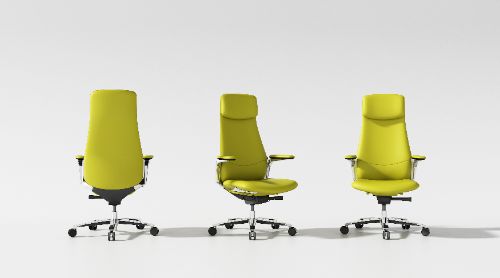
When you're picking leather for daily use, comfort starts with how the hide is processed. Full-grain leather keeps the outer layer intact, which means it develops a soft patina over time and breathes well against your skin. It might feel firm at first, but after a few weeks of regular wear it molds to your body and becomes genuinely personal.
Top-grain leather is sanded down to remove imperfections, making it smoother and more uniform right out of the box. The trade-off is that it doesn't absorb oils or flex as naturally as full-grain, so it can feel a bit stiffer in high-movement areas like armrests or seat cushions. For everyday comfort where you're sitting or leaning for hours, that extra suppleness matters more than a flawless surface.
Genuine leather sits at the lower end of the scale, often made from bonded scraps and finished with a heavy coating. It's affordable and easy to clean, but it tends to feel plasticky and doesn't conform to your body the way higher grades do. If your priority is all-day ease rather than just looks, spending a little more on full-grain or top-grain usually pays off in how the leather actually feels against you.
Ergonomic Details That Go Beyond Standard Lumbar Support
Most chairs check the lumbar box, but the real difference shows up in the seat pan. A depth-adjustable seat with a waterfall edge keeps pressure off the backs of your thighs and lets shorter or taller users find their own knee clearance. If the seat is too deep, you end up slouching just to reach the backrest; too shallow and your hips carry extra load. That adjustment alone often does more for daily comfort than a thicker lumbar pad.
Armrests are another quiet workhorse. Look for four-way adjustment—height, width, depth, and pivot—so your elbows stay under your shoulders whether you're typing, reading, or on a call. Paired with a synchronized tilt mechanism that reclines the seat and back at different ratios, the chair moves with you instead of forcing a single upright posture. A tension control tuned to your body weight keeps that motion smooth rather than springy.
Then there's the material layer. A breathable mesh or a contoured foam with pressure-relief zones prevents the heat buildup that makes you shift around by hour three. Some designs add a subtle forward tilt, which opens the hip angle and keeps your spine stacked when you lean into focused work—something a static lumbar bump can't replicate.
Matching Chair Style to Your Workspace Without Clashing
A chair rarely ruins a room on its own, but it can quietly work against the rest of your setup if the lines and materials don’t line up. A slim, chrome-framed task chair can feel sharp in a warm, wood-heavy study, while a bulky leather executive seat might swallow a minimal desk with thin legs. The goal isn’t to match everything perfectly; it’s to avoid a visual argument between the chair and the surfaces around it.
Start by looking at the dominant shapes and finishes already in your workspace. If your desk and shelving lean straight-edged and matte, choose a chair with similar restraint—maybe a low-back mesh or a simple upholstered seat with clean metal arms. If the room has softer curves, rounded wood edges, or woven textures, a chair with visible grain, bent plywood, or a fabric seat can settle in without feeling borrowed from another office.
Color is easier to fix than silhouette. A neutral shell in gray, oat, or deep green tends to sit well with most palettes, but don’t be afraid to pick up a small accent that already exists—a rust tone from a lamp cord, a muted blue from a rug. The chair should feel like it belongs to the same conversation, not shouting over it.
What to Look for Before You Buy a China-Made Leather Chair
Most buyers fixate on color and price, but the real tells are in the hide and the hardware. Top-grain leather should feel supple with a slightly uneven grain; if every panel looks identical and feels plasticky, it's likely bonded or heavily corrected. Run a fingernail lightly across the surface—good leather will show a faint scratch that fades with rubbing, while coated synthetics won't mark at all. Lift the chair by the armrests, not the seat, to check for creaks or flex in the frame.
Next, flip the chair over and look at the base and reclining mechanism. A sturdy steel plate with visible welds beats a thin stamped bracket, especially if you're over 200 pounds. Foam density matters more than thickness; press your thumb into the seat edge and see how quickly it bounces back. If it stays dimpled, the cushion will flatten within a year. Also pull the footrest in and out a few times—smooth, quiet movement without grinding is a good sign.
Finally, don't treat the warranty as an afterthought. Many factories offer one to three years on the frame, but leather and stitching may only be covered for six months. Ask whether the chair is assembled with real metal fasteners or cheaper glue, and if you're sensitive to smells, request a sample swatch to sniff before committing. A room-temperature sniff test reveals more about off-gassing than any spec sheet.
Simple Care Habits That Keep the Leather Looking New
Leather ages beautifully when it's given a little routine attention. A soft, dry cloth run over the surface once a week lifts away dust before it can settle into the grain. For deeper cleaning, a damp cloth with a drop of mild soap works wonders—just never soak the leather, and always let it air dry away from direct heat.
Conditioning is the secret to that supple, just-bought feel. Every few months, massage a small amount of leather conditioner into the surface using circular motions. Focus on areas that flex often, like seat cushions or bag handles. Too much product can clog pores, so start with less and add only if the leather drinks it in quickly.
Sunlight and sharp objects are the quiet enemies. Rotate leather furniture away from windows when possible, or use sheer curtains to soften harsh rays. Keep keys, pens, and pet claws at a distance—once a scratch happens, it's permanent. Small habits like these keep the leather looking fresh without ever feeling like a chore.
FAQ
A lot comes down to the hide itself. Premium chairs typically use top-grain or full-grain leather, which keeps the natural texture and develops a soft patina over time. Basic models often rely on bonded or split leather with a heavy polyurethane coating that can crack or peel. Beyond the cover, look at the foam density, frame material, and how smoothly the tilt and height mechanisms move. Those hidden parts determine whether the chair stays comfortable after a year or starts sagging and squeaking.
Start by reading the label carefully. Terms like bonded leather, PU leather, or leather match indicate man-made or composite material, not a full hide. Genuine leather will show slight imperfections, pores, and a warm feel that synthetic surfaces lack. You can also check the back and underside of the seat; manufacturers often use cheaper fabric or vinyl there if the main surface is real leather. A strong chemical smell and a perfectly uniform grain pattern are red flags.
Yes, many factories in China produce chairs for well-known international brands, so the capability is there. The key is to check the chair's certifications and components rather than the country of origin. Look for a Class 3 or Class 4 gas lift, a sturdy nylon or aluminum base, and a warranty of at least two years on moving parts. If the seller cannot provide details about the lift or frame materials, keep looking.
Dust it with a dry microfiber cloth every week and vacuum crevices monthly. Use a leather-specific cleaner and conditioner every three to six months to prevent drying and cracking. Keep the chair out of direct sunlight and away from radiators, because heat and UV light degrade leather quickly. Wipe up spills immediately with a damp cloth, but never soak the leather or use household detergents.
Absolutely. Skip the traditional black high-back executive style and choose a chair with a lower profile, rounded edges, or a mid-century silhouette. Tan, cognac, or even deep green leather pairs beautifully with wooden desks and natural light. A slim aluminum or wood base also softens the heavy boardroom look. The chair becomes a design accent rather than office equipment.
Prioritize a reinforced nylon or polished aluminum base over cheap plastic. Check the weight capacity and make sure the casters suit your floor type: soft polyurethane wheels roll quietly on hardwood without scratching, while harder nylon wheels are better for thick carpet. If you often move between rooms or sit on a rug, consider larger rollerblade-style casters for smoother movement.
For a chair you plan to use daily for several years, yes. Full-grain and top-grain leather breathe better than bonded or faux options, so you will feel less sticky during long sessions. They also age gracefully, developing a rich patina instead of flaking. If your budget is tight or you have pets that might scratch the surface, a high-quality faux leather or fabric chair can be more practical. But for comfort over time, the extra cost is usually justified.
Cheap chairs often use low-density foam that flattens within months, making the seat feel hard and uneven. A good chair uses molded foam with a density of at least 40 to 50 kilograms per cubic meter, sometimes with a layer of memory foam on top. The seat pan should have a waterfall edge to reduce pressure behind the knees, and the cushion should be wide enough to support your thighs without pressing against the frame. These details matter more than the leather itself for all-day comfort.
Conclusion
Chinese leather office chairs have quietly moved from budget alternatives to genuine contenders in premium seating, and the reasons go deeper than price. The best examples combine full-grain or top-grain hides with frame engineering that feels substantial without being bulky, while local tanneries have refined finishing methods so the leather breathes and softens instead of turning stiff or sticky. What really separates them is the attention to ergonomic nuance: adjustable seat depth, synchronized recline that follows your movement, and lumbar systems that respond to posture shifts rather than simply pushing into the lower back. That means you are not just buying a status material, you are getting a chair that adapts to long workdays.
Beyond the build, the leather grade you choose changes the daily experience. Full-grain keeps natural markings and ages with character, while corrected or bonded leather offers a more uniform look at a lower cost but sacrifices breathability and long-term resilience. Style matters too: a slim profile in matte black or saddle brown tends to blend into modern and transitional spaces, whereas heavier tufting or contrast stitching suits executive settings. Before buying, check the foam density, base material, caster quality, and whether the armrests can be adjusted to match your desk height. Once it is in your space, a monthly wipe with a damp cloth, an occasional leather conditioner, and keeping it out of direct sunlight will keep the surface from cracking or fading. Taken together, these details turn a China-made leather office chair into a long-term comfort investment rather than a fleeting furniture purchase.
Contact Us
Contact Person: Diff Wang
Email: [email protected]
Tel/WhatsApp: +8613650281199
Website: https://www.ofcmeshchair.com/